


Table of Contents
Introduction
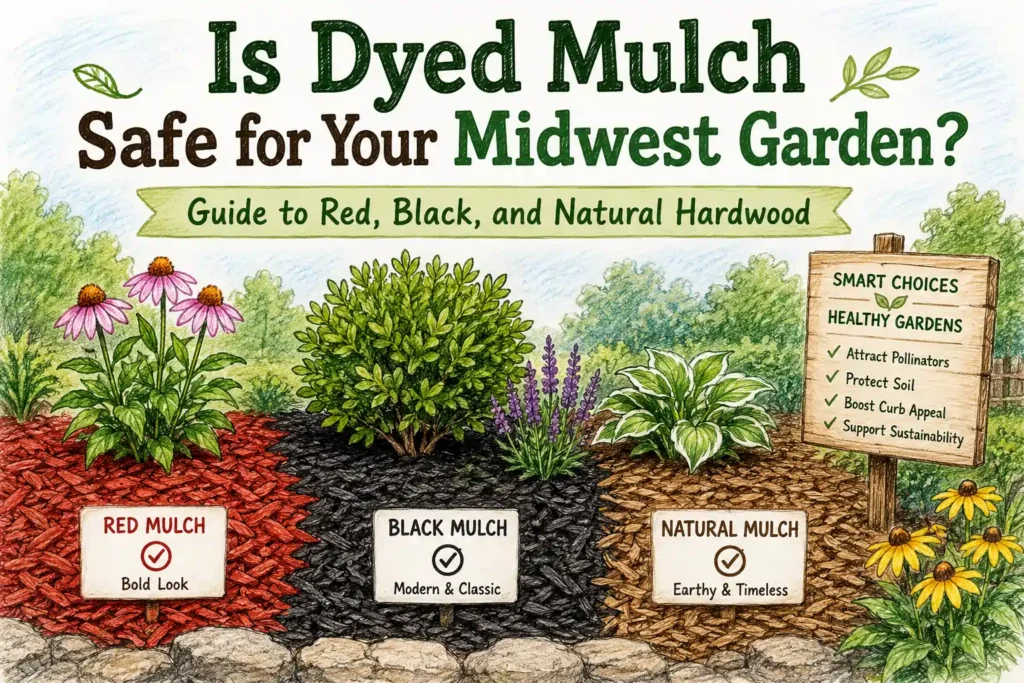
Mulch is one of the most valuable additions to any landscape, helping homeowners improve soil health, conserve moisture, suppress weeds, and create a polished appearance around flower beds and trees. However, when shopping for mulch, many Midwest gardeners find themselves asking an important question: Is dyed mulch safe? With red mulch, black mulch, and natural hardwood mulch readily available, understanding the differences between these options can help you make the best choice for your property. While dyed mulch offers vibrant color and enhanced curb appeal, some gardeners worry about its impact on plants, soil, pets, and the environment. In this guide, we’ll examine the safety of dyed mulch, compare red, black, and natural hardwood varieties, and help you determine which mulch is right for your Midwest garden. Beyond appearance, mulch offers numerous advantages for plant health and soil protection. Discover the 8 Benefits of Adding Mulch in your Garden Beds to see why mulch remains one of the most valuable landscaping investments.
What Is Dyed Mulch?
Manufacturers create dyed mulch by coloring wood chips with water-based dyes. The process gives the mulch a decorative appearance while maintaining its landscaping benefits. Red and black are the most common dyed mulch options available in garden centers and landscaping supply yards throughout the Midwest. These products are designed to provide long-lasting color while delivering the same practical benefits as traditional mulch.
Most reputable mulch manufacturers use non-toxic dyes that are considered safe for residential landscaping. The dyes themselves are generally not the primary concern. Instead, the quality of the wood used to produce the mulch is often more important. High-quality suppliers use clean wood sources, while lower-quality products may contain recycled materials of questionable origin. Choosing mulch from a trusted supplier helps ensure the product is safe for use around flowers, shrubs, trees, and other landscape plants. Dyed mulch is just one of many mulch options available to homeowners. If you’re comparing different materials for your landscape, explore our guide on 13 Types of Mulch: How to Choose the Best Mulch for your Landscape.
Is Red Mulch Safe for Midwest Gardens?
Red mulch remains one of the most popular landscaping choices because of its bold appearance and ability to make plants stand out. The color is typically created using iron oxide-based dyes, which are commonly used in landscaping products and are generally considered safe for plants, pets, and people. When applied properly, red mulch offers many of the same benefits as natural mulch, including moisture retention, temperature regulation, and weed suppression.
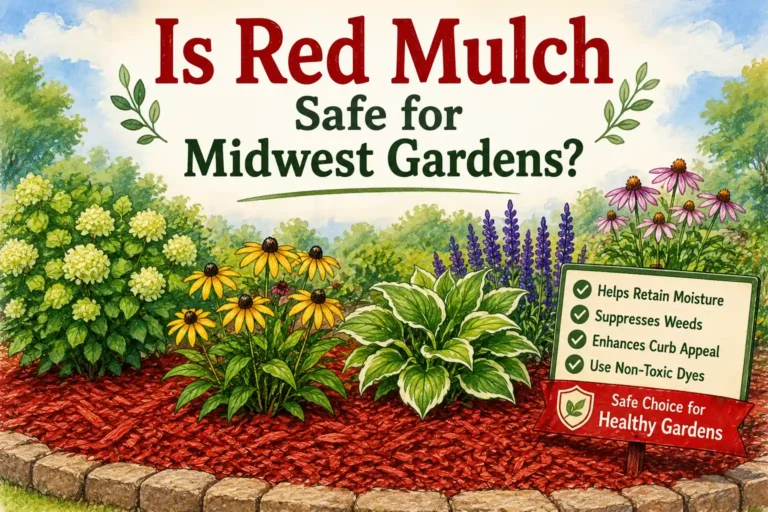
Many homeowners appreciate red mulch because it creates a vibrant contrast against green lawns and colorful flower beds. It works particularly well around ornamental shrubs, annual flowers, and foundation plantings. While the color may gradually fade due to sunlight and weather exposure, quality red mulch can maintain its appearance for an extended period. For Midwest homeowners seeking strong visual impact and curb appeal, red mulch is often a safe and attractive option.
Is Black Mulch Safe for Gardens?
Black mulch is another widely used option for residential and commercial landscapes. Known for its clean, modern appearance, black mulch creates a dramatic backdrop that highlights flowers, shrubs, and decorative plants. Most black mulch products use carbon-based dyes that are considered safe when produced by reputable manufacturers.
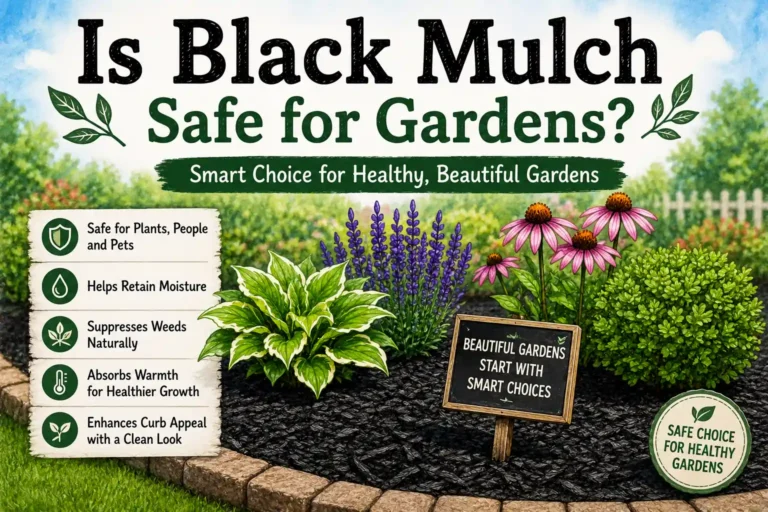
One of the reasons black mulch is so popular is its ability to provide a neat, professional look throughout the growing season. Dark colors absorb more heat. As a result, black mulch can warm the soil faster during spring. This can encourage earlier plant growth in some situations. However, during periods of extreme summer heat, gardeners may need to monitor soil moisture more closely since darker mulch can contribute to faster drying in certain conditions. Despite this characteristic, black mulch remains a safe and effective choice for most Midwest landscapes.
Benefits of Natural Hardwood Mulch
Natural hardwood mulch offers a traditional and environmentally friendly alternative to dyed products. Made from shredded bark and wood materials without added colorants, hardwood mulch provides a more organic appearance while delivering excellent soil-building benefits. As the mulch gradually decomposes, it adds organic matter back into the soil, improving structure, drainage, and nutrient availability.
Many gardeners prefer natural hardwood mulch around vegetable gardens, native plant landscapes, and environmentally focused projects because it supports healthy soil biology. The decomposition process encourages beneficial microbial activity and contributes to long-term soil improvement. Although natural mulch may not provide the bold visual appearance of dyed products, it blends naturally into the landscape and supports sustainable gardening practices. Since natural hardwood mulch is an organic material, it’s important to understand how organic and inorganic mulch products differ. Learn more in our article on Organic vs Inorganic Mulch: What’s the Difference and Why it Matters.
Dyed Mulch vs. Natural Hardwood: Which Is Better?
Choosing between dyed mulch and natural hardwood mulch depends largely on your landscaping priorities. Dyed mulch is often preferred by homeowners who want a clean, uniform appearance and long-lasting color throughout the season. The visual contrast created by red or black mulch can significantly enhance curb appeal and create a more professionally maintained look.
Natural hardwood mulch, on the other hand, is often favored by gardeners who prioritize soil health and environmental sustainability. Because it breaks down naturally and contributes organic matter to the soil, hardwood mulch provides benefits beyond simple weed control and moisture retention. Both options are effective at suppressing weeds, conserving moisture, and regulating soil temperature. The best choice ultimately depends on whether appearance or soil improvement is your primary goal.
Tips for Using Mulch Safely
Regardless of the type of mulch you select, proper installation is essential for achieving the best results. Most landscape professionals recommend applying mulch at a depth of two to four inches. This thickness provides adequate moisture retention and weed suppression without restricting airflow to plant roots.
It is also important to avoid piling mulch directly against tree trunks, shrubs, or plant stems. Excessive mulch accumulation around plant bases can trap moisture, encourage disease, and attract pests. Homeowners should purchase mulch from reputable local suppliers and inspect products for quality before installation. Regular maintenance and periodic replenishment will help ensure the mulch continues to provide both aesthetic and functional benefits throughout the growing season. Proper timing can maximize mulch performance throughout the year. Read our When to Mulch your Garden Beds: Seasonal Guide to determine the best time to refresh mulch in your Midwest landscape.
Conclusion
Dyed mulch is generally safe for Midwest gardens when purchased from reputable suppliers that use quality wood materials and non-toxic dyes. Both red and black mulch offer attractive landscaping solutions that improve curb appeal while helping conserve moisture, suppress weeds, and regulate soil temperature. Natural hardwood mulch remains an excellent choice for gardeners who prioritize soil health and long-term sustainability. By understanding the differences between these mulch options and selecting the one that best fits your landscaping goals, you can create a healthier, more attractive garden that thrives throughout the Midwest growing season. Whether you prefer the bold appearance of dyed mulch or the natural benefits of hardwood mulch, proper installation and maintenance will help you get the most value from your landscaping investment. For more detailed information and tailored advice, visit our page on mulching. For support on your next mulch project, please feel free to reach out through our contact form, and our team will be happy to help.