


Table of Contents
Introduction
Landscape rock is a popular landscaping material throughout the Midwest because it offers durability, weed suppression, and a clean, decorative appearance. However, when homeowners decide to replace rock beds with gardens, lawns, shrubs, or native plants, they often discover that the soil underneath is not ready for planting. Years of coverage can leave the ground compacted, nutrient-poor, and lacking the organic matter needed to support healthy root development. In addition, landscape fabric, heat retention, and restricted airflow can further reduce soil quality over time. Whether you’re transforming an old rock bed into a flower garden or creating a lush new lawn, restoring the soil is the key to long-term success. This guide explains how landscape rock affects Midwest soil and provides practical steps to rebuild a healthy, fertile foundation for planting. If you’re still deciding whether removing landscape rock is the right choice, explore our guide on the reasons homeowners choose to replace landscape rock with healthier landscaping alternatives.
Why Landscape Rock Damages Soil Over Time
Landscape rock is often chosen for its long-lasting appearance and low-maintenance benefits, but it can negatively affect soil health when left in place for extended periods. Unlike organic mulch, rocks do not break down and contribute nutrients to the soil. Instead, they create a barrier that limits the natural exchange of organic matter, moisture, and air. Over time, the soil beneath the rocks becomes increasingly depleted, making it less capable of supporting healthy plant growth.
The weight of landscape rock can also contribute to soil compaction, especially in areas with heavy clay soils commonly found throughout the Midwest. Compacted soil restricts root development, reduces water infiltration, and limits oxygen flow. Additionally, rocks absorb and retain heat during warm weather, raising soil temperatures and creating conditions that can stress beneficial microorganisms. If landscape fabric was installed beneath the rocks, it may further prevent organic material from enriching the soil naturally, resulting in a growing environment that is far from ideal for planting.
Assessing Your Soil After Rock Removal
Before beginning any planting project, it is important to evaluate the condition of the soil after the landscape rock has been removed. Although the area may appear clean and ready for use, the soil underneath often requires significant rehabilitation. Years of compression and isolation can leave it hard, dry, and lacking essential nutrients.
A thorough soil assessment can help determine the extent of the restoration work required. Testing soil pH, nutrient levels, and organic matter content provides valuable information that can guide amendment decisions. It is also important to observe how well water drains through the soil and whether roots can easily penetrate the surface. Understanding these conditions before planting helps create a restoration strategy that promotes healthier growth and reduces future landscaping challenges.
Step 1: Remove Remaining Rocks and Debris
Even after large landscape rocks have been removed, smaller stones, gravel fragments, and pieces of landscape fabric often remain mixed within the soil. These leftover materials can interfere with root development and make it difficult for plants to establish themselves properly. Taking the time to thoroughly clean the planting area is a critical first step in the restoration process.
Removing residual debris creates a more uniform growing environment and allows soil amendments to be incorporated effectively. Any remaining weed barrier fabric should also be removed, as it can restrict root expansion and hinder water movement. By starting with a clean planting surface, homeowners can ensure that future soil improvements have the greatest possible impact. If you’re still planning your project, our 2026 landscape rock removal cost guide can help you estimate the expense of removing decorative stone from your property.
Step 2: Loosen Compacted Soil
Compaction is one of the most common problems found beneath landscape rock installations. The constant pressure of the rocks, combined with years of exposure to weather and foot traffic, can compress soil particles into a dense layer that limits airflow and water movement. This creates an environment where roots struggle to grow and plants have difficulty accessing the nutrients they need.
Loosening the soil is essential for restoring healthy structure and improving growing conditions. Breaking apart compacted layers allows water to penetrate more effectively while increasing oxygen availability for roots and beneficial microorganisms. Whether accomplished with a garden fork, broadfork, or mechanical tiller, this step helps establish the foundation for a healthier and more productive planting area.
Step 3: Add Organic Matter
Organic matter plays a crucial role in rebuilding soil that has been covered by landscape rock for many years. Since rocks do not decompose like wood mulch, the soil underneath often lacks the organic materials necessary to support healthy biological activity and nutrient cycling. Adding organic matter helps restore these natural processes while improving overall soil quality.
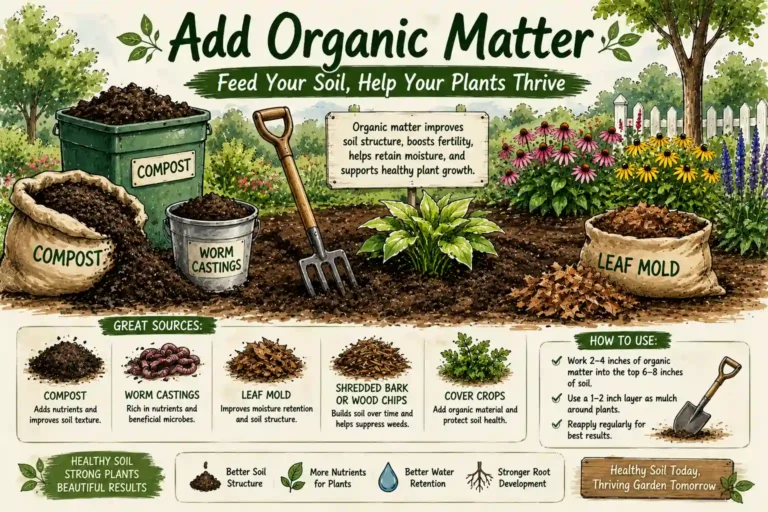
Compost is one of the most effective amendments for revitalizing depleted soil. It improves soil structure, enhances moisture retention, and introduces beneficial microorganisms that contribute to long-term fertility. As organic matter continues to break down, it creates a nutrient-rich environment that supports stronger root systems and healthier plants. For Midwest homeowners, incorporating generous amounts of compost is often the most impactful step in the restoration process.
Step 4: Correct Soil Nutrient Deficiencies
Years of being covered by landscape rock can leave soil deficient in essential nutrients needed for plant growth. While organic matter provides a strong foundation, it is often necessary to address specific nutrient imbalances before planting. The exact deficiencies will vary depending on local soil conditions, which is why soil testing is highly recommended.
Once nutrient levels have been evaluated, targeted amendments can be applied to restore balance and improve fertility. Proper nutrient management supports root development, encourages vigorous growth, and enhances flowering and fruit production. Rather than relying on general-purpose fertilizers, a customized approach based on soil test results helps ensure plants receive the nutrients they need without creating unnecessary environmental impacts.
Step 5: Improve Soil Biology
Healthy soil is a living ecosystem filled with bacteria, fungi, earthworms, and countless other organisms that work together to support plant health. Unfortunately, soil that has been isolated beneath landscape rock often experiences a decline in biological activity. Without a thriving microbial community, nutrients become less available and plants may struggle to reach their full potential.
Restoring soil biology requires the consistent addition of organic materials and practices that encourage microbial growth. Compost, natural mulches, and reduced chemical inputs can all help rebuild this living ecosystem. As beneficial organisms return to the soil, they improve nutrient availability, enhance soil structure, and contribute to stronger, more resilient plants. A biologically active soil is one of the most valuable assets in any successful landscape.
Step 6: Choose the Right Plants for Midwest Conditions
Once the soil has been restored, selecting appropriate plants becomes the next important step. The Midwest experiences a wide range of environmental conditions, including cold winters, hot summers, fluctuating rainfall, and varying soil types. Choosing plants that are well-suited to these conditions can significantly improve long-term success.

Native plants and regionally adapted species are often the best choices for restored landscapes. These plants have evolved to thrive in local climates and generally require less maintenance, fertilizer, and water than non-native alternatives. They also provide valuable habitat for pollinators and wildlife, contributing to a healthier and more sustainable ecosystem. Matching plants to the restored soil conditions helps ensure vigorous growth and lasting beauty.
Preventing Future Soil Problems
After investing time and effort into restoring the soil, ongoing maintenance is essential for preserving its health. Without proper care, compaction, nutrient depletion, and declining biological activity can gradually return. Fortunately, a few simple practices can help maintain healthy soil for years to come.
Adding compost annually, applying organic mulch, minimizing soil disturbance, and avoiding unnecessary foot traffic all contribute to long-term soil stability. Regular soil testing can also help identify potential issues before they become serious problems. By adopting a proactive approach to soil care, homeowners can protect their investment and continue enjoying a thriving landscape. After restoring your soil, choosing the right ground cover is important. Learn more about the benefits and drawbacks of rocks versus mulch around your home before making your final landscaping decision. If you’re leaning toward mulch, our article on 3 Reasons to Remove Rock and Install Mulch explains how mulch can help improve moisture retention, regulate soil temperature, and support healthier soil over time.
Benefits of Restoring Soil After Landscape Rock Removal
Restoring soil after landscape rock removal provides benefits that extend far beyond improved plant growth. Healthy soil improves water infiltration, reduces runoff, enhances nutrient availability, and supports stronger root systems. These improvements create conditions that allow gardens, lawns, shrubs, and trees to flourish throughout the growing season.
In addition to supporting healthier plants, restored soil often requires fewer inputs over time. Landscapes with healthy soil typically experience fewer pest and disease issues, better drought tolerance, and reduced maintenance costs. The result is a more sustainable and visually appealing outdoor space that delivers long-term value for homeowners throughout the Midwest.
Conclusion
Removing landscape rock is only the beginning of the landscape transformation process. While the area may appear ready for planting once the stones are gone, the soil beneath often requires significant restoration to support healthy growth. By removing leftover debris, loosening compacted soil, incorporating organic matter, correcting nutrient deficiencies, and encouraging beneficial soil biology, homeowners can dramatically improve soil health and planting success. These restoration efforts not only create better growing conditions but also help plants establish stronger roots, improve water retention, and thrive in the challenging Midwest climate. With proper preparation and ongoing maintenance, a former rock-covered area can become a vibrant, productive landscape that enhances the beauty and value of your property for years to come. For more detailed information, visit our page on rock removal. For support on your next rock removal project, please feel free to reach out through our contact form, and our team will be happy to help.