Speedy Replies
Prompt email correspondence.
Multiple responses daily.
Last Minute Help
Book today and get help
as early as tomorrow.
Upfront Pricing
No hidden fees.
Fixed hourly rates.
Honest and hardworking college students ready to help with pulling weeds
His Workmanship coordinates landscaping help in Southfield
Detroit landscaping statistics
1. Get a free estimate in just a couple minutes
Select the services that best align with your needs and describe the details of your project to help us get a better idea of the scope of work. Feel free to upload pictures so your crew can visualize your specific needs.
2. Receive great customer support along the way
Our staff guarantees a reply to all emails within 24 hours. Once you get scheduled, you'll get a confirmation email with your service provider names as well as a text notification 1 hour before your project starts.
3. Relax while we speedily complete your project
Equipment in hand, your crew will arrive a few minutes early so they can collaborate with you about the work that needs to be done. Once they finish, you can pay the total bill directly to the crew leader. It's as simple as that!
Hear what a customer says

His Workmanship provided the labor and tools to complete the removal of the stump grinding material that was left after we had an Ash tree taken down. The crew lead and co-worker loaded and hauled away the ginormous amount of material, and then back-filled the hole with soil that I provided. They left the worksite tidy and the street, where they loaded the trailer, was spotless. Communication was excellent, the service was personable and professional, and the end results were outstanding! We have already made plans for my spring projects.
Ready to inquire about pulling weeds in Detroit?
Frequently Asked Questions
Most weeding companies and gardening services charge by the hour, not by the bid. Hourly rates tend to range from $30 – $50 per hour per person. It’ll be on the higher end if the garden is on hilly terrain or if the weeds require heavy digging to remove. On the flip side, prices will be lower if the weeds are small (like thistles) and the ground surface is flat. A thorough weeding of an overgrown garden that’s medium-sized will range from $250 – $350. Larger gardens can cost between $350 – $500 to clear out. Since weeding gardens is a recurring service that requires several visits per year, you could possibly get a better deal if you commit to being a repeat customer.
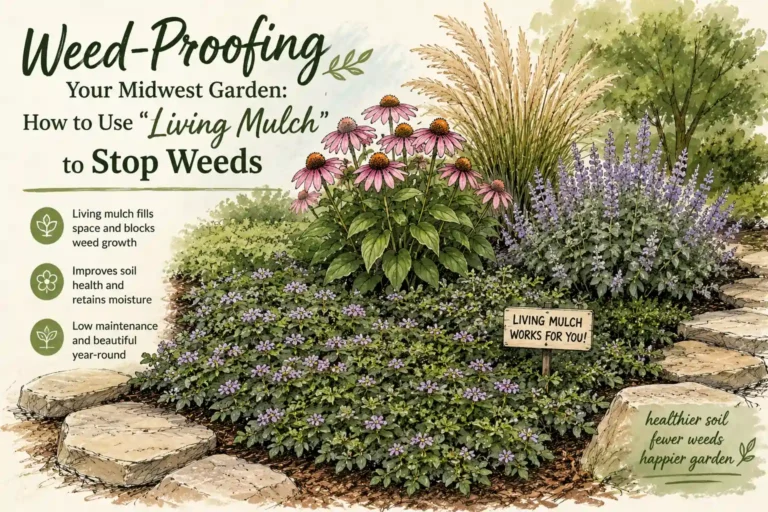
The most efficient way to keep weeds from sprouting up in the first place is by laying down a weed barrier. Garden weed control mats are designed to allow water and air to seep through, but to block the sunlight which prevents new weed growth. In this way, your garden plants can thrive without being choked out by weeds. Weed barrier can be high quality and cost more or it can be low quality and cost less. I recommend making the investment in your garden by purchasing the heavy duty weed barrier. It’s simply not worth getting the cheap stuff, only to have weeds start growing through the fabric or directly on top of the fabric. In order to prevent weed growth, you need to be able to differentiate between weeds and plants.
While it may be tempting to lay barrier over the weeds, it’s cutting a corner so I don’t recommend it. Why? Because weeds will make the fabric harder to lay flat since the ground will be bumpy. This will make the fabric installation process much more challenging. (More on installing weed barrier in the question below.) Plus, there is no guarantee that the garden fabric will suffocate and kill the weeds. If the weeds have a deep root system and some light and water happens to sneak through the black fabric, then the weeds may grow straight through the mat blocker. In sum, give yourself a blank slate to work with prior to laying down garden fabric.
You will need the follow items: a utility knife, landscape staples, and a hammer (or rubber mallet). Make sure your garden bed is cleared of all weeds and has only dirt. Lay one strip of fabric and staple down the outside corners. Then lay another strip that has 3-4 inches of overlap with the first strip. Staple down the overlapping part so you secure both strips with one staple. This strategy will cut in half the number of staples you need to use. Long strips are better than shorter ones.
It’s not easy to install weed barrier if your garden is already fully stocked with plants. So you’ll need a second person to help. Be sure to wait for a calm day with no wind. Begin by stapling one side of the fabric strip in the ground and have one person hold the other side. They should pull it tight so there’s no slack. The other person should use a utility knife to cut an X shape where the current plants are located. Make the incision just big enough for the plant. Once the cuts are made, lay the fabric down on the ground and fold the flaps underneath the fabric strip. If you don’t want to fold the extra fabric underneath, then you can cut the excess fabric with your utility knife. Repeat this process until your whole garden bed is covered with the protective weed mat.
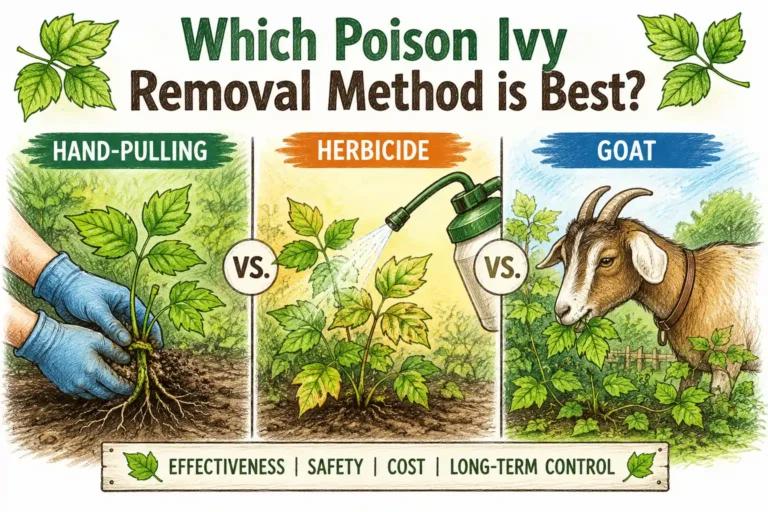
Most weed killers are designed to evaporate within 2-3 days. So it’s safe to plant in your garden 4-5 days after spraying weed killer. If you want to be extra cautious, you should wait 1-2 weeks. That said, the glyphosate contained in weed killer will harm and probably destroy your plants if direct contact is made with any part of the plant. So you should avoid spraying herbicide within 1-2 feet of your plants, especially because the soil soaks up and spreads the toxins in weed killer. For an organic alternative, you could try mixing together the following ingredients: vineager, salt and dish soap. This natural approach can be an effective tool against weed growth, though not as reliable as store bought weed killer concentrate.
You want to avoid spraying large quantities of weed killer over a wide area of garden space. Instead, you should use precision by getting the spray nozzle very close to the weed you want dead. Within 1-2 inches is best. Then spray the weed with 2-3 squirts so that it’s fully saturated. You should aim for the bottom of the weed so the chemicals get as close to the root system as possible. Think of your spray bottle as a sniper not a buckshot. For this same reason, you don’t want to spray on a windy day lest you run the risk of killing your precious plants and flowers.
Garden clean up is best done on a weekly or bi-weekly basis. Regular and consistent flower bed maintenance is important. Why? Because baby weeds have yet to establish a secure root system whereas adult weeds are firmly rooted in the ground. So it’ll be much easier to pull out weeds when they are young than when they are old. That said, you can get away with weed control on a monthly or bi-monthly basis. However, with intervals this long, you should be prepared to spend more time clearing the garden and more effort digging out the weeds. A trowel may not be good enough. You might need a spade shovel to get the job done.
It depends on what kind of weeds are in your garden. If you are pruning roses or removing thistles, then sturdy work gloves will be helpful to keep you from getting pricked by the thorns. Gloves will also protect your hands if you’re applying chemicals to kill the weeds. But if your garden doesn’t have prickly weeds and you don’t plan to use herbicide, then you should be safe to pull weeds barehanded. Some gardeners get a sense of satisfaction when they get their hands dirty. I’m not exactly sure why but perhaps it has to do with a feeling of accomplishment.
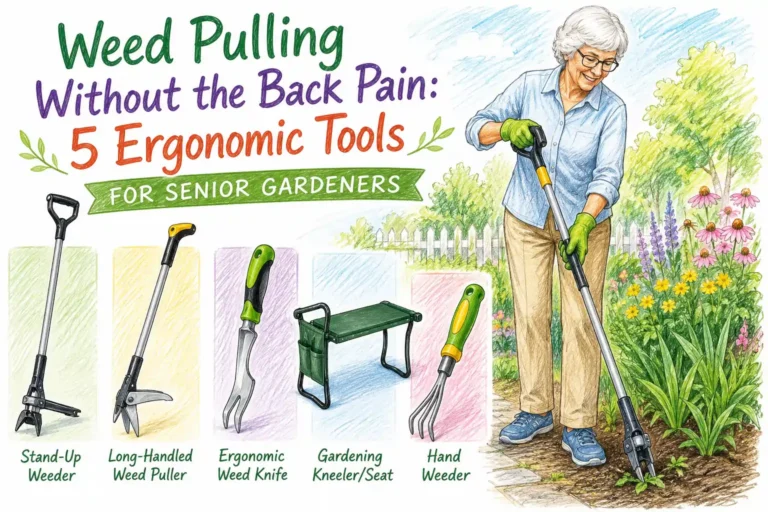
It might be tempting to just cut the tops off the weeds but this should be avoided. Why? Because the weeds just grow right back within weeks. Instead, you should use a small hand shovel, called a trowel, to dig out the weeds by the roots. If it rained the day before, then you might even be able to pull the weeds out by hand since rain water loosens up the roots. One advantage of pulling weeds with bare hands is that you’re able to get a better grip on the bottom stem, which increases the likelihood that the entire root system comes up with the weed itself.
For the DIY enthusiasts, I hope the above FAQ offers some insights that serve to motivate you to reclaim your green thumb by getting down and dirty weeding gardens. However, for those less ambitious folk, you’re not alone if the thought of weed removal isn’t your idea of a good time. Saving up some extra money to hire a garden weeding service is your best option. Feel free to click here to get a free estimate on your garden weeding project.
Blogs about Pulling Weeds
- Inbound Developer/
- June 27, 2025/

- Inbound Developer/
- June 20, 2025/

- Inbound Developer/
- April 25, 2025/
His Workmanship is a Christian company
Hear what a provider says
The college students attend
Fun facts about Southfield