


Table of Contents
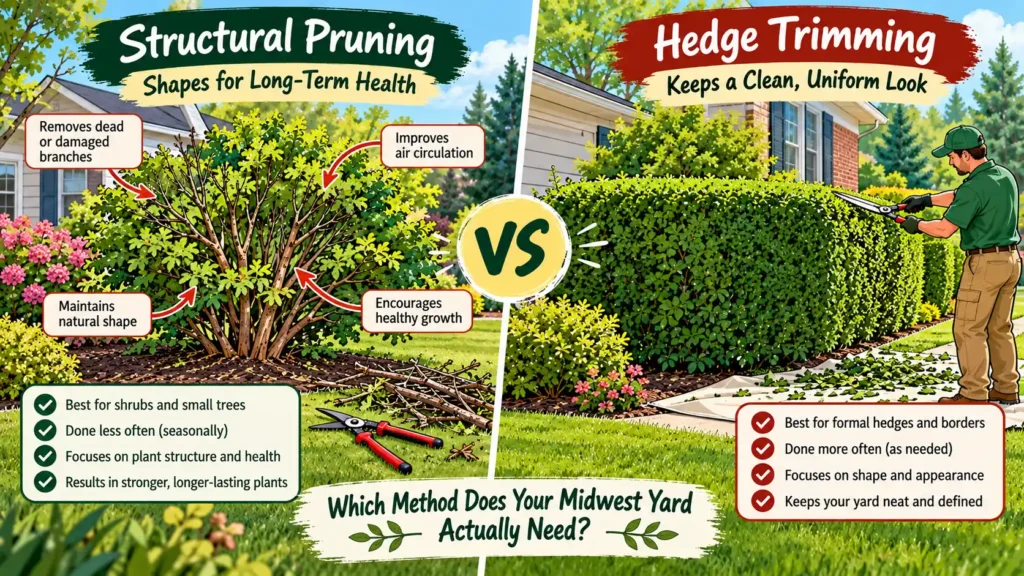
Keeping shrubs, bushes, and hedges healthy is an important part of maintaining an attractive Midwest landscape. However, not every plant needs the same trimming approach. Some shrubs benefit from structural pruning to improve their natural growth, while others require regular hedge trimming to maintain a clean, uniform appearance. Choosing the wrong method can lead to overgrown branches, reduced flowering, bare spots, and unnecessary maintenance. Midwest homeowners face additional challenges because seasonal temperature changes, heavy snowfall, and short growing seasons can influence how plants respond to cutting. Understanding the differences between structural pruning and hedge trimming can help you choose the right method for your landscape while protecting the long-term health and appearance of your plants.
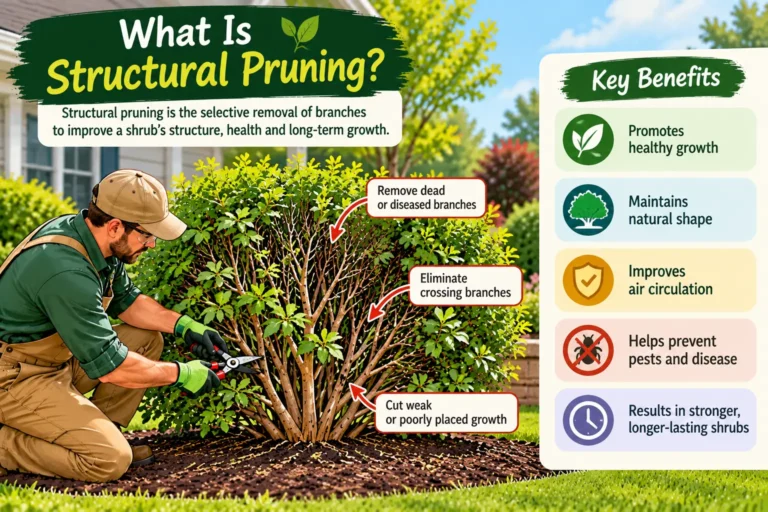
What Is Structural Pruning?
Structural pruning is a selective trimming method that focuses on improving the overall health, strength, and natural growth pattern of a shrub or small tree. Instead of cutting the entire exterior into a specific shape, structural pruning involves identifying and removing individual branches that are damaged, crossing, overcrowded, or growing in undesirable directions. This approach helps maintain a balanced branch structure while allowing sunlight and air to reach the interior of the plant. Structural pruning is particularly beneficial for flowering shrubs, ornamental bushes, and naturally shaped landscape plants. When performed correctly, it encourages healthier development without sacrificing the plant’s natural appearance.
What Is Hedge Trimming?
Hedge trimming is a maintenance technique used to control the height, width, and exterior shape of shrubs planted as hedges, borders, or privacy screens. Unlike structural pruning, which focuses on individual branches, hedge trimming generally involves cutting the outer growth to create a consistent appearance. Homeowners often use hedge trimmers to maintain straight edges, rounded forms, or carefully shaped landscape boundaries. This method works best for shrubs that tolerate regular shearing and naturally produce dense growth. However, trimming only the outside for extended periods can create thick exterior foliage while limiting sunlight and airflow inside the hedge. Combining regular shaping with occasional selective pruning can help maintain both appearance and plant health.
1. Understand the Main Difference Between Structural Pruning and Hedge Trimming
The biggest difference between these methods is their primary purpose. Structural pruning improves branch arrangement, removes problematic growth, and supports the plant’s natural form. Hedge trimming focuses on controlling size and creating a consistent exterior shape. For example, a flowering shrub growing beside a patio may benefit from structural pruning to preserve its natural branching and seasonal blooms. A row of shrubs planted along a property boundary may require hedge trimming to maintain an organized privacy screen. Neither method is automatically better than the other. The right choice depends on the plant species, its location, and the results you want to achieve.
2. Know Which Midwest Shrubs Benefit from Structural Pruning
Many popular Midwest landscape shrubs look their best when their natural shape is preserved. Plants such as ninebark, serviceberry, red-osier dogwood, and certain hydrangeas can benefit from selective pruning rather than frequent exterior shearing. Structural pruning allows these shrubs to develop attractive branching patterns while maintaining their flowers, foliage, and seasonal interest. It can also help remove weak or damaged branches after harsh winter weather. However, each species has different pruning requirements, particularly when it comes to flowering and rejuvenation. Identifying your shrubs before making major cuts will help you avoid unnecessary damage and maintain a healthier landscape.
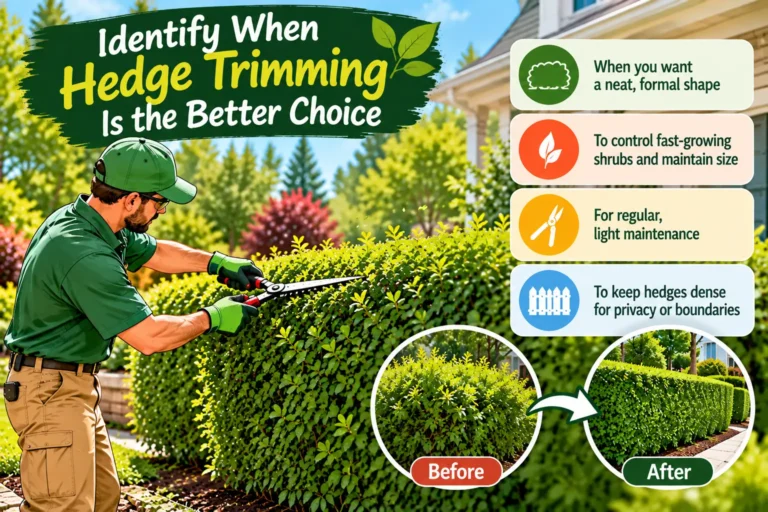
3. Identify When Hedge Trimming Is the Better Choice
Hedge trimming is often the better option when shrubs are intentionally planted to create a formal border, defined walkway, or consistent privacy screen. Boxwood, certain arborvitae varieties, and other hedge-forming plants may benefit from carefully controlled shaping, although their tolerance for heavy cutting varies. Regular trimming can prevent hedges from spreading into sidewalks, driveways, or neighboring plants. It also helps maintain a consistent appearance across multiple shrubs. When shaping a hedge, keeping the base slightly wider than the top can help lower branches receive adequate sunlight. Avoid cutting deeply into old, leafless wood on species that cannot reliably produce new growth from those areas.
4. Consider How Midwest Weather Affects Pruning Decisions
Midwest weather plays an important role in determining when and how shrubs should be trimmed. Freezing temperatures, heavy snow, spring growth, and summer heat can all influence plant recovery. Late winter or early spring is often suitable for structural pruning on many deciduous shrubs while they are dormant, but spring-flowering species may require different timing to preserve their blooms. Hedge trimming is commonly performed during active growth when new shoots begin extending beyond the desired shape. However, aggressive trimming late in the growing season can encourage tender growth that may not harden before winter. Homeowners should consider the species, flowering cycle, and local weather conditions before scheduling major pruning work.
5. Choose the Right Tools for Each Trimming Method
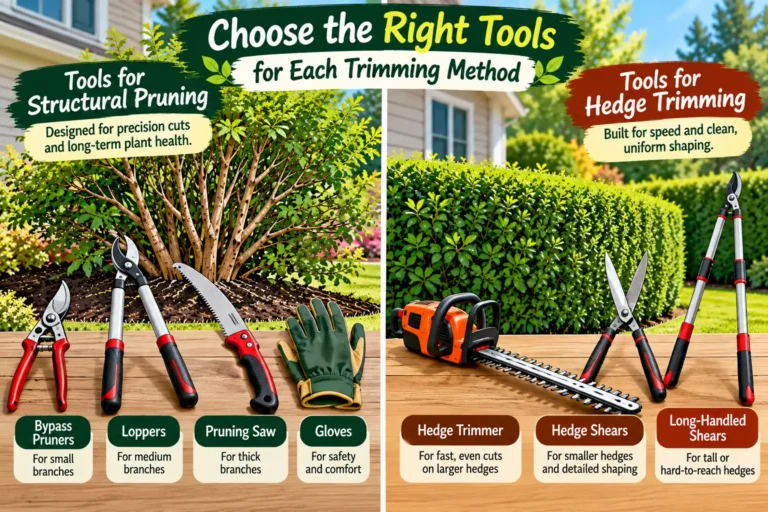
Using the correct tools makes a noticeable difference in both trimming quality and plant health. Structural pruning typically requires hand pruners, loppers, or a pruning saw because individual branches must be removed carefully. These tools allow homeowners to make controlled cuts without damaging nearby growth. Hedge trimming generally involves manual hedge shears or powered hedge trimmers, which are designed to shape larger exterior surfaces efficiently. Regardless of the method, blades should be sharp and clean to avoid crushing or tearing branches. Selecting the right equipment can also reduce unnecessary cutting and make maintenance safer and more manageable.
Selecting the right trimming tools is only one part of maintaining healthy shrubs. Understanding proper cutting techniques, seasonal timing, and ongoing maintenance is equally important. For additional guidance, read our The Ultimate Guide to Trimming Bushes to learn more about keeping your landscape neat, healthy, and well-maintained.
6. Avoid Over-Trimming and Damaging Healthy Growth
One of the most common landscaping mistakes is removing more growth than necessary. Aggressive structural pruning can leave shrubs unbalanced, while excessive hedge trimming can expose bare branches and create uneven patches. Repeated shearing may also cause dense exterior growth that shades the interior of the plant. To avoid these problems, inspect each shrub before cutting and identify the branches or areas that actually need attention. Remove damaged or unwanted growth selectively, and avoid making drastic changes simply to achieve a smaller size. Severely overgrown shrubs may require a species-specific rejuvenation plan, and some plants may be better replaced if they have outgrown their available space. Even small trimming mistakes can affect the long-term health and appearance of your shrubs. Cutting too much growth, trimming at the wrong time, or using improper techniques can create problems that take several growing seasons to correct. To avoid these issues, explore our 7 Common Bush Trimming Mistakes That Ruin Midwest Landscape (And How to Fix Them) for practical tips on keeping your bushes healthy and properly maintained.
7. Think About Privacy, Appearance, and Long-Term Maintenance
Your landscaping goals should help determine whether structural pruning or hedge trimming is the better choice. If your priority is creating a formal privacy screen, consistent hedge trimming may be necessary to maintain the desired height and shape. If you prefer a natural landscape with flowering shrubs, layered greenery, and seasonal interest, structural pruning may provide better results. Maintenance requirements also matter because formal hedges generally need more frequent shaping than naturally growing shrubs. Choosing plants that fit their available space can reduce the need for aggressive trimming and help your yard maintain an attractive appearance throughout the growing season.
Can You Combine Structural Pruning and Hedge Trimming?
Yes, many Midwest landscapes benefit from using both methods. A formal hedge may need routine exterior trimming to maintain its shape, along with occasional selective pruning to remove damaged, crowded, or poorly positioned branches. Similarly, a naturally growing shrub may need structural pruning for long-term health and light shaping to prevent branches from extending into nearby walkways. The key is to avoid treating every shrub the same way. Combining these techniques thoughtfully allows homeowners to maintain attractive landscaping without sacrificing natural growth patterns or plant health.
How to Decide Which Method Your Midwest Yard Needs
Before choosing a trimming method, examine the condition, purpose, and growth habits of your shrubs. Plants with crossing branches, winter damage, overcrowded interiors, or irregular natural growth may benefit from structural pruning. Shrubs forming formal hedges or growing beyond their intended boundaries may require hedge trimming. Flowering habits should also influence your decision because trimming at the wrong time can remove developing flower buds. If a shrub requires constant aggressive cutting to fit its location, replacing it with a smaller variety may provide a more practical long-term solution. A plant-specific approach will usually produce better results than following the same trimming schedule for your entire yard.
When Should You Hire Professional Bush Trimming Help?
Although homeowners can handle many routine trimming tasks, some situations may require professional assistance. Large shrubs, severely overgrown hedges, difficult-to-reach branches, and plants with extensive damage can be challenging to manage safely. Professionals can also help identify species, recommend appropriate pruning methods, and determine whether rejuvenation or replacement is necessary. This can be particularly valuable for mature ornamental shrubs or landscaping that has experienced years of improper trimming. Before hiring help, discuss whether your goal is structural pruning, formal hedge maintenance, or corrective trimming so the work matches your expectations and the needs of your plants. Professional trimming can be a worthwhile investment when dealing with large hedges, overgrown shrubs, or plants that require corrective pruning. However, the cost can vary depending on shrub size, accessibility, and the amount of work involved. Before scheduling professional services, review our Price Guide for Trimming Bushes: Average Costs in the Midwest for 2026 to better understand potential costs and plan your landscaping budget.
Conclusion
Structural pruning and hedge trimming both play important roles in maintaining a healthy and attractive Midwest landscape, but they serve different purposes. Structural pruning focuses on improving branch structure, supporting natural growth, and removing problematic branches, while hedge trimming helps maintain consistent shapes, defined borders, and privacy screens. The best method depends on the shrub species, its location, flowering habits, and your overall landscaping goals. By considering Midwest weather conditions, using appropriate tools, and avoiding excessive cutting, homeowners can maintain healthier shrubs while reducing unnecessary maintenance. Choosing the right trimming approach will help your landscape remain balanced, functional, and visually appealing throughout the changing seasons. For more detailed information and tailored advice, visit our page on trimming services. For support on your next trimming project, please feel free to reach out through our contact form, and our team will be happy to help.