


Table of Contents
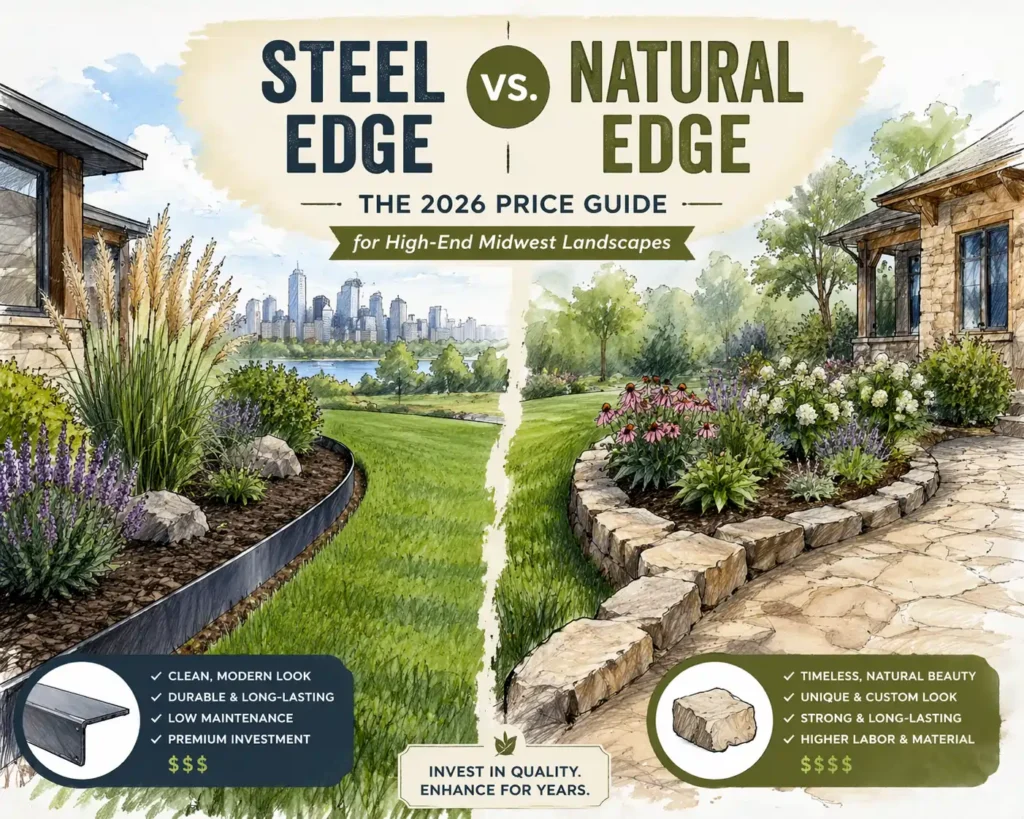
In 2026, high-end landscape design across the Midwest is increasingly shaped by a balance between structured, modern materials and more organic, nature-inspired aesthetics. One of the most impactful decisions homeowners face is choosing between steel edging and natural edge landscaping. This choice not only affects the visual appeal of a property but also influences long-term maintenance, durability, and overall cost. Understanding how each option performs in Midwest conditions—and how pricing has evolved—can help homeowners make a smarter, more sustainable investment in their outdoor spaces. Before choosing between steel and natural edging, it’s important to understand the broader value of edging in landscape design—here are 5 reasons why you should have garden edging that highlight its impact on both aesthetics and maintenance.
Steel Edging
Steel edging has become a go-to solution for premium landscapes due to its clean lines, strength, and long-lasting performance. Typically made from corten steel or powder-coated metal, it creates sharp, defined borders that separate lawn areas from garden beds or pathways. In the Midwest, where soil movement and seasonal changes are common, steel edging provides structural stability and resists shifting over time. While the initial installation cost is higher, its durability and low maintenance requirements make it a popular choice for homeowners seeking a polished, modern look that lasts for decades.
| Cost Type | Price Range (2026 Midwest) |
|---|---|
| Material Cost | $6 – $12 per linear foot |
| Installation Cost | $12 – $25 per linear foot |
| Total Installed Cost | $18 – $35+ per linear foot |
| Lifespan | 15 – 25+ years |
Natural Edge
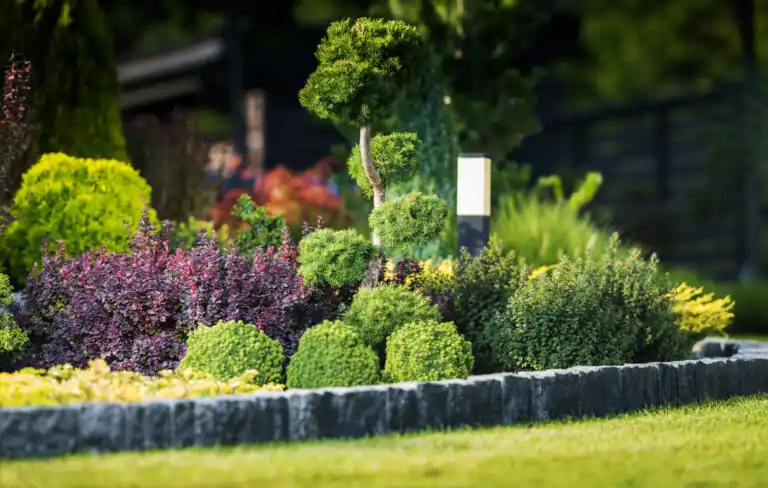
Natural edging offers a softer, more traditional approach by shaping the border between lawn and planting areas without using hard materials. This method relies on manual trenching or spade-cut lines to create a subtle separation that blends seamlessly into the landscape. In Midwest environments, natural edges complement prairie-style and cottage gardens beautifully. However, they require ongoing upkeep to maintain their shape, especially due to grass growth, rain, and soil shifting. While the upfront cost is lower, maintenance over time can add to the overall investment. For homeowners considering more structured but budget-friendly alternatives, learning how to install brick edging around your garden beds can offer a middle ground between natural edges and premium steel solutions.
| Cost Type | Price Range (2026 Midwest) |
|---|---|
| DIY Cost | $0 – $2 per linear foot |
| Professional Installation | $8 – $20 per linear foot |
| Annual Maintenance | $2 – $5 per linear foot |
| Lifespan (maintained) | Ongoing with upkeep |
Long-Term Cost Comparison
When comparing steel and natural edging over time, the difference becomes more about long-term value than just initial expense. Steel edging requires a higher upfront investment but remains stable and visually consistent with minimal intervention. Natural edging, on the other hand, may seem budget-friendly initially but demands regular reshaping and maintenance, which can accumulate costs over the years. For larger Midwest properties, especially those with extensive borders, this ongoing maintenance can significantly narrow the cost gap between the two options.
Midwest Climate Considerations
The Midwest’s climate plays a crucial role in how each edging type performs. Freeze-thaw cycles, heavy rainfall, and dense clay soils can cause natural edges to erode or lose definition quickly. Steel edging, by contrast, is designed to withstand these conditions, maintaining its form even during extreme seasonal changes. This resilience makes steel particularly appealing for homeowners who want a reliable, long-term solution that won’t require frequent adjustments or repairs.
Design and Aesthetic Impact
From a design perspective, steel edging delivers a crisp, architectural finish that pairs well with modern homes and structured landscapes. It creates strong visual lines and enhances symmetry, making it ideal for contemporary outdoor designs. Natural edging, however, offers a more relaxed and organic appearance, blending effortlessly with traditional gardens and native plantings. In 2026, many high-end Midwest landscapes are combining both approaches—using steel for prominent areas while incorporating natural edges in softer, less formal sections. While steel and natural edges dominate high-end Midwest landscapes in 2026, homeowners still explore other materials—this detailed comparison of plastic vs. pavers vs. concrete vs. natural edging can help you understand how each option fits different design styles and budgets.
Conclusion
Choosing between steel and natural edging in 2026 comes down to balancing aesthetics, budget, and long-term maintenance expectations. Steel edging stands out as a durable, low-maintenance option that delivers a refined and modern look, making it a strong investment for high-end landscapes. Natural edging, while more affordable upfront, requires consistent upkeep but offers a timeless, organic charm that many homeowners value. By carefully considering your landscape style, climate challenges, and long-term goals, you can select the edging solution that best enhances both the beauty and functionality of your Midwest outdoor space. For more detailed information and tailored advice, visit our page on edging. For support on your next edging installation services project, please feel free to reach out through our contact form, and our team will be happy to help.