His Workmanship

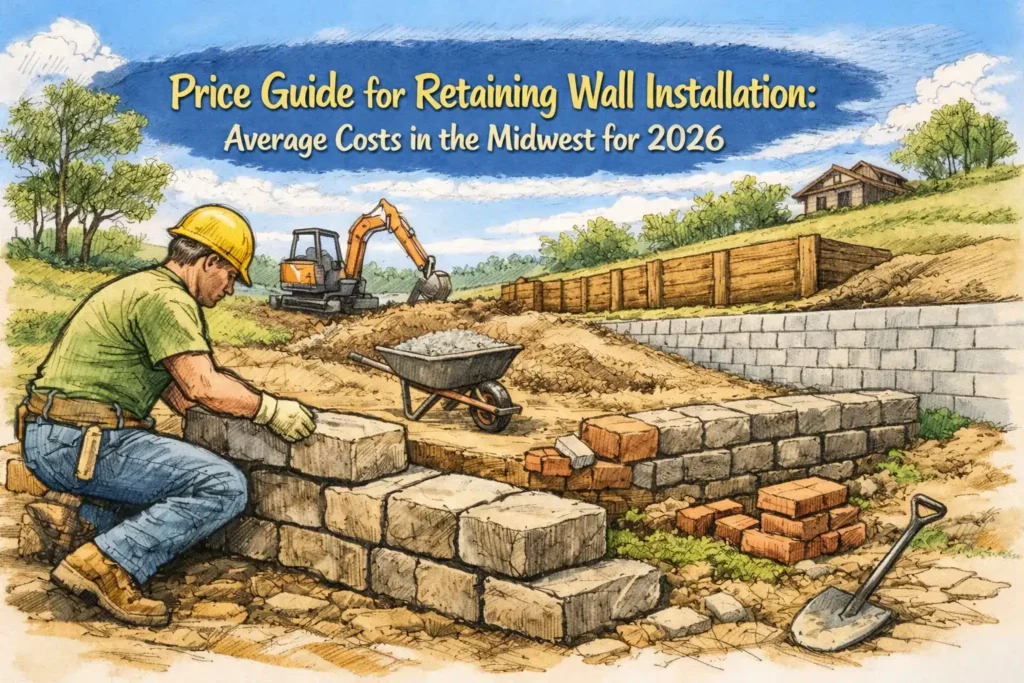
Price Guide for Retaining Wall Installation: Average Costs in the Midwest for 2026

Table of Contents

Retaining walls are an important landscaping and structural feature that help stabilize soil, prevent erosion, and create level outdoor spaces on sloped properties. In the Midwest, where seasonal weather changes such as heavy rain, snow, and freeze-thaw cycles can cause soil movement, retaining walls are commonly used to protect yards, driveways, and building foundations. These structures can also improve the appearance of outdoor spaces by creating terraces, garden beds, and decorative landscaping elements.
However, before starting a project, homeowners often want to understand the cost involved. In 2026, the average retaining wall installation cost in the Midwest generally ranges between $35 and $65 per square foot, although the total price can vary depending on wall size, material choice, site conditions, and labor costs. Understanding the price breakdown helps homeowners plan their budgets and choose the right design for their landscape needs.

Average Retaining Wall Installation Costs in the Midwest (2026)

The overall cost of installing a retaining wall in the Midwest depends on factors such as wall height, length, material selection, and the complexity of the installation process. Most residential retaining wall projects cost between $3,000 and $9,000, although smaller decorative walls can cost less while large structural walls supporting steep slopes can exceed $20,000. Compared to coastal regions, Midwestern construction costs are often slightly lower because labor rates and material transportation costs tend to be more affordable. Contractors typically calculate retaining wall installation prices based on the total square footage of the wall, which includes both the height and the length. On average, homeowners in the Midwest can expect to pay $35 to $65 per square foot, which generally includes basic materials, standard labor, and initial site preparation.
Average Cost Per Square Foot
  • Low-end cost: $35 per sq. ft.

  • Average cost: $45–$55 per sq. ft.

  • High-end cost: $65+ per sq. ft.

These price ranges provide a general estimate for most retaining wall projects in the Midwest.

Average Retaining Wall Cost by Wall Size
The size of a retaining wall significantly affects the overall installation cost because larger walls require more materials, deeper foundations, and additional reinforcement. Both the height and length of the wall play an important role in determining the total price, as taller walls must withstand greater soil pressure and often require engineering design or structural reinforcement. For example, a two-foot landscaping wall may only require simple construction and minimal materials, while a six-foot retaining wall supporting a hillside requires stronger materials, proper drainage systems, and professional installation techniques. As the wall becomes longer or taller, the amount of labor and material required increases, which directly raises the total project cost.
Wall Length (Linear Feet) 2 ft Height Cost 4 ft Height Cost 6 ft Height Cost
10 ft $700 – $1,300 $1,400 – $2,600 $2,100 – $3,900
25 ft $1,750 – $3,250 $3,500 – $6,500 $5,250 – $9,750
50 ft $3,500 – $6,500 $7,000 – $13,000 $10,500 – $19,500
100 ft $7,000 – $13,000 $14,000 – $26,000 $21,000 – $39,000
These estimates represent typical residential retaining wall costs in the Midwest.

Retaining Wall Installation Cost by Material

The material used for constructing a retaining wall is one of the biggest factors that determines the overall project cost, durability, and appearance of the finished structure. Different materials offer unique benefits, ranging from budget-friendly options like timber to premium materials such as natural stone or steel. Homeowners often choose materials based on their budget, aesthetic preferences, and the structural requirements of the wall. While some materials are easier and cheaper to install, others provide better long-term durability and require less maintenance over time.
Material Installed Cost Per Sq. Ft. Advantages
Vinyl $10 – $15 Affordable and lightweight
Timber/Wood $15 – $30 Budget-friendly and easy to install
Brick $20 – $40 Traditional look and strong durability
Concrete Blocks $20 – $55 Very popular for residential walls
Natural Stone $30 – $95 High-end appearance and long lifespan
Steel or I-Beam $35 – $150 Used for heavy-duty structural support
Concrete Block Retaining Walls
Concrete block retaining walls are widely used in residential landscaping because they provide a strong and durable structure while remaining relatively affordable. These blocks are designed to interlock, creating a stable wall that can effectively support soil pressure and resist movement over time. Concrete blocks also offer flexibility in design, allowing homeowners to create straight or curved walls depending on their landscaping needs.
Timber Retaining Walls
Timber retaining walls are often chosen for smaller landscaping projects because they are inexpensive and relatively easy to install. Treated wood provides a natural look that blends well with gardens and outdoor spaces, making it a popular option for decorative walls. However, timber walls generally have a shorter lifespan than concrete or stone walls and may require maintenance or replacement after several years.
Natural Stone Retaining Walls
Natural stone retaining walls are considered a premium landscaping feature due to their elegant appearance and exceptional durability. These walls can significantly enhance the visual appeal of a property while providing strong structural support for soil and landscaping. Although natural stone installations are more expensive, they often last decades with minimal maintenance.

Labor Costs for Retaining Wall Installation

Labor costs are a significant portion of the total price for a retaining wall installation project because professional expertise is required to ensure the structure is stable and properly engineered. In many cases, labor accounts for 40% to 60% of the overall project cost, depending on the size and complexity of the wall. Contractors in the Midwest typically charge between $50 and $75 per hour, or approximately $15 to $30 per square foot for installation work. Factors such as excavation requirements, site accessibility, soil conditions, and material type can influence labor costs, as more complex projects require additional time and specialized equipment. If you’re unsure whether to build the wall yourself or hire a contractor, read our detailed guide on DIY or Hire a Pro? How to Decide for Your Retaining Wall Project to understand which option may be best for your project.

Additional Costs to Consider

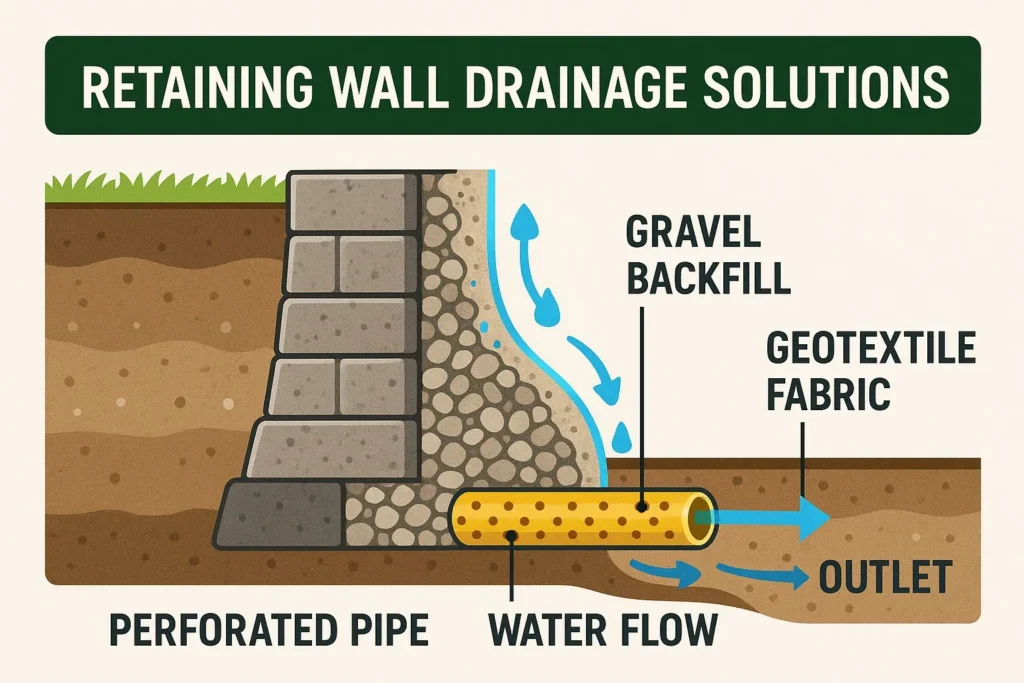
Besides materials and labor, several additional factors can influence the final cost of installing a retaining wall. These costs may include excavation, drainage systems, engineering plans, and building permits, all of which are essential for ensuring the long-term stability and safety of the structure. Site preparation is often required to remove soil, rocks, or existing landscaping elements before construction begins, while drainage systems such as gravel backfill or perforated pipes are installed to prevent water pressure from building behind the wall. Depending on the complexity of the project, these additional expenses can add anywhere from $500 to $3,000 or more to the total installation cost.
Excavation and Site Preparation
Before constructing a retaining wall, contractors must prepare the site by leveling the ground, removing soil, and creating a stable base that can support the structure. This step ensures that the wall is properly aligned and built on a solid foundation, reducing the risk of shifting or structural failure over time.
Drainage Systems
Drainage systems are essential for retaining walls because they prevent water from accumulating behind the wall and creating pressure that could damage the structure. Contractors typically install gravel backfill, drainage pipes, or French drains to ensure proper water flow.
Engineering and Permits
In many Midwestern cities, retaining walls taller than four feet require structural engineering plans and local building permits to ensure safety and compliance with construction regulations. These permits usually involve a small fee and inspection process.
Decorative Features
Homeowners sometimes choose to add decorative elements such as capstones, integrated seating, or landscape lighting to enhance the visual appeal of their retaining walls. While these features are optional, they can increase both the aesthetic value and functionality of the structure.

Midwest Retaining Wall Cost by Project Type

Retaining wall costs can vary depending on the purpose and design of the project, as some walls are built mainly for landscaping while others are designed to provide structural support for large areas of soil. Landscaping retaining walls are typically smaller and less expensive, while structural walls require stronger materials and careful engineering. In some cases, homeowners choose tiered retaining wall designs that create multiple levels on steep landscapes, which can add visual appeal but also increase the overall cost of construction.
In many cases, retaining walls are installed to address issues like soil erosion, sloped landscapes, or poor drainage around a property. If you’re unsure whether these problems apply to your yard, you may find it helpful to review the common warning signs explained in our guide on Do I Need a Retaining Wall? Signs Your Yard Could Benefit from One.
Landscaping Retaining Walls

Landscaping retaining walls are generally used to enhance gardens, patios, and outdoor living spaces while controlling minor soil movement. These walls are usually two to three feet tall and are often built using timber, concrete blocks, or decorative stone.

Structural Retaining Walls

Structural retaining walls are designed to support large amounts of soil and stabilize slopes or hillsides. These walls require stronger materials and careful construction to ensure long-term stability and safety.

Tiered Retaining Walls

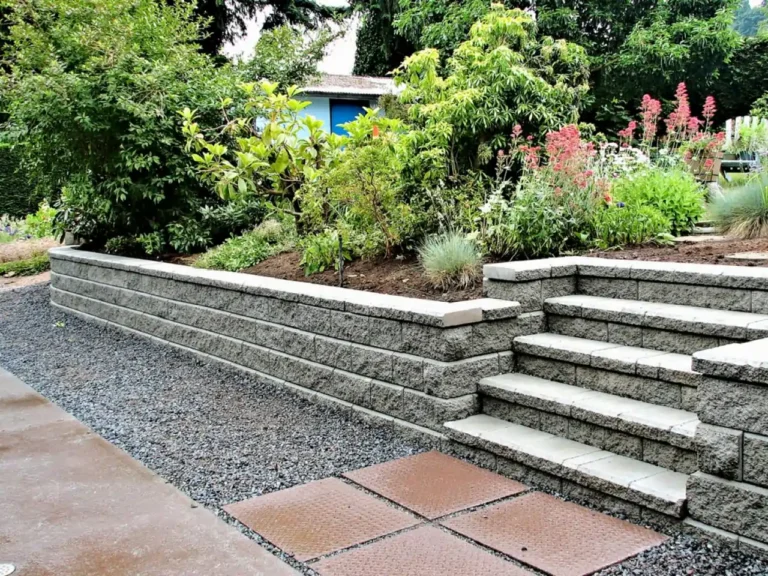
Tiered retaining walls consist of multiple smaller walls built at different levels to stabilize steep landscapes while creating terraces for gardens or outdoor seating areas.

Tips to Save Money on Retaining Wall Installation

Installing a retaining wall can be a significant investment, but homeowners can reduce costs by carefully planning the project and making smart decisions about materials and design. Comparing multiple contractor quotes, selecting cost-effective materials, and scheduling the project during the off-season are common strategies for saving money. Additionally, keeping the design simple and avoiding unnecessary decorative features can help reduce both material and labor expenses while still achieving a functional and visually appealing retaining wall.

Conclusion

Retaining walls provide essential structural support for landscapes in the Midwest while also enhancing the appearance and usability of outdoor spaces. In 2026, the average retaining wall installation cost in the region typically ranges between $35 and $65 per square foot, with most residential projects costing between $3,000 and $9,000 depending on wall size, materials, and construction complexity. By understanding the factors that influence retaining wall costs—such as materials, labor, drainage systems, and site preparation—homeowners can make informed decisions and plan their projects more effectively. With proper design and professional installation, a retaining wall can provide long-lasting protection, improved landscaping functionality, and increased property value for many years. For more detailed information and tailored advice, visit our page on Retaining Wall. For support on your next retaining wall project, please feel free to reach out through our contact form, and our team will be happy to help.