



Table of Contents
Leaf removal is a seasonal lawn care service that plays a critical role in maintaining a healthy and visually appealing yard. When fallen leaves are left unattended, they can block sunlight, trap moisture, and create an environment that encourages mold, pests, and lawn disease. As a result, many homeowners rely on professional leaf removal services to ensure their lawns remain clean and protected throughout the fall and early winter months. In 2026, leaf removal pricing reflects rising labor costs, fuel expenses, disposal regulations, and increased demand during peak seasons, making it essential for homeowners to understand current pricing trends before hiring a service provider.
Typical Leaf Removal Costs in 2026
The cost of leaf removal in 2026 varies widely depending on property size, tree density, and the amount of labor required. Smaller residential properties with minimal leaf buildup typically fall at the lower end of the pricing range, while large or heavily wooded properties may require multiple visits and specialized equipment, pushing costs higher. Most professional leaf removal services price jobs either per visit or based on the overall size of the yard and the total leaf volume present.
Average Leaf Removal Costs
| Property Type | Average Cost Range |
|---|---|
| Small residential yard | $100 – $250 |
| Medium-sized yard | $150 – $400 |
| Large or wooded yard | $300 – $700+ |
| Per-acre leaf removal | $450 – $1,000+ |
These costs generally include labor and equipment usage, though additional fees may apply for leaf hauling and disposal.
Leaf Removal Costs by Yard Size
Yard size remains one of the most significant factors influencing leaf removal pricing. Larger yards naturally accumulate more leaves, requiring longer cleanup times and additional manpower. Properties with mature trees often experience heavier leaf fall, increasing the need for repeated cleanups throughout the season. In many cases, homeowners with large properties opt for recurring services to prevent excessive buildup.
Leaf Removal Pricing by Yard Size
| Yard Size | Average Cost Range |
|---|---|
| 1/8 acre | $40 – $80 |
| 1/4 acre | $80 – $180 |
| 1/2 acre | $120 – $300 |
| 3/4 acre | $160 – $400 |
| 1 acre or more | $200 – $600+ |
Pricing may increase if leaves are wet, compacted, or spread across landscaped areas such as flower beds, patios, and walkways.
Cost Breakdown by Service Type
Leaf removal services are typically priced either by the hour or at a flat rate per visit. Hourly pricing is often used when leaf volume is unpredictable or when cleanup requires detailed manual work around landscaping features. Flat-rate pricing is more common for standard residential yards where the scope of work is easier to estimate.
Hourly Leaf Removal Rates
| Service Method | Average Hourly Cost |
|---|---|
| Leaf blowing | $30 – $60 per worker |
| Raking and bagging | $25 – $50 per worker |
| Vacuum leaf removal | $40 – $75 per worker |
Hourly services may include additional charges for leaf disposal, especially in cities where leaves must be transported to approved facilities.
Flat-Rate Leaf Removal Pricing
| Service Frequency | Average Cost |
|---|---|
| One-time cleanup | $150 – $300+ |
| Seasonal leaf removal plan | $400 – $900 |
| Weekly or bi-weekly service | $60 – $150 per visit |
Seasonal contracts often provide better value for homeowners with consistent leaf fall throughout autumn.
Leaf Disposal and Hauling Costs
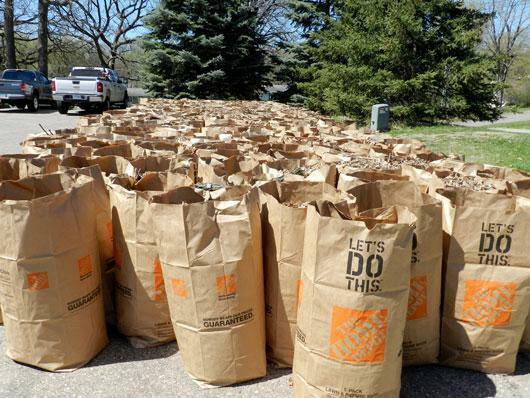
Leaf disposal is a key component of leaf removal pricing in 2026. Some municipalities allow curbside leaf pickup, while others require leaves to be bagged and transported to designated composting or waste facilities. When hauling is required, landscapers may charge per bag or include disposal fees within their overall pricing. Mulching leaves on-site is sometimes offered as a cost-effective alternative, as it reduces disposal fees and returns organic matter to the soil.
Average Leaf Disposal Costs
| Disposal Method | Typical Cost |
|---|---|
| Per bag disposal | $5 – $10 per bag |
| Truckload hauling | $50 – $150 |
| On-site mulching | Often included |
Disposal fees can vary significantly depending on local regulations and landfill policies.
One-Time vs. Seasonal Leaf Removal Services
One-time leaf removal services are ideal for homeowners who only need a single cleanup after peak leaf fall. However, properties with large trees often benefit from seasonal leaf removal plans that spread cleanups across several weeks. Seasonal services prevent heavy leaf accumulation, reduce labor time per visit, and often result in lower overall costs compared to multiple one-time cleanups. Seasonal leaf services are also commonly paired with early-year maintenance to restore lawns after winter. To understand how these services connect and what homeowners typically pay, see our Price Guide for Spring Cleanups: Average Costs in 2025.
Homeowners who choose seasonal plans also benefit from predictable pricing and scheduled service dates, which can be especially helpful during busy fall months when landscapers book quickly.
Residential vs. Commercial Leaf Removal Pricing
Commercial leaf removal services are typically priced higher than residential services due to the size of the property and the volume of leaves involved. Businesses, apartment complexes, and homeowners’ associations often require large-scale equipment and crews to maintain parking lots, sidewalks, and common areas. These projects are usually quoted per acre or under long-term maintenance contracts.
Commercial Leaf Removal Pricing
| Property Type | Average Cost |
|---|---|
| Small commercial property | $300 – $800 |
| Large commercial property | $1,000 – $3,000+ |
| HOA or campus-style property | Custom pricing |
Commercial clients often receive bundled pricing when leaf removal is combined with snow removal or ongoing landscape maintenance.
What Factors Increase Leaf Removal Costs
Several factors can cause leaf removal costs to rise beyond standard estimates. Heavy tree density increases leaf volume and cleanup frequency, while wet or compacted leaves take longer to remove. Properties with slopes, fences, gardens, or decorative landscaping require more detailed labor, which can raise costs. Peak-season demand in late fall can also drive up pricing as service providers book out quickly and labor availability becomes limited. Understanding why and when leaves fall can help homeowners plan leaf removal more effectively. For a deeper dive into the timing and patterns of leaf drop, check out It’s Raining Leaves: A Guide To Understanding Seasonal Leaf Drop.
DIY Leaf Removal vs. Hiring a Professional
Some homeowners choose to handle leaf removal themselves using rakes, blowers, or mulchers. While DIY leaf removal may reduce out-of-pocket costs, it requires time, physical effort, and equipment maintenance. Professional services offer faster results, proper disposal, and reduced physical strain, making them a preferred option for homeowners with large yards or heavy leaf accumulation. If you’re planning to tackle leaf removal yourself, our guide Removal Dos and Don’ts: Expert Advice for a Beautiful Yard provides practical tips to make your DIY efforts more efficient and keep your yard looking its best.
Tips to Reduce Leaf Removal Costs
Homeowners looking to save on leaf removal in 2026 can benefit from scheduling services early in the season, before peak demand increases prices. Combining leaf removal with other fall services such as lawn aeration or gutter cleaning may also reduce overall costs. Choosing mulching instead of full removal can further lower expenses while improving soil health.
Conclusion
Leaf removal remains an important seasonal service for protecting lawn health and maintaining property appearance. In 2026, homeowners can expect to pay between $150 and $700 for professional leaf removal, with pricing influenced by yard size, leaf volume, service frequency, and disposal requirements. By understanding cost structures and choosing the right service plan, homeowners can effectively manage fall lawn care expenses while keeping their yards clean, safe, and well-maintained. For more detailed information and tailored advice, visit our page on raking. For support on your next leaf raking project, please feel free to reach out through our contact form, and our team will be happy to help.