


Table of Contents
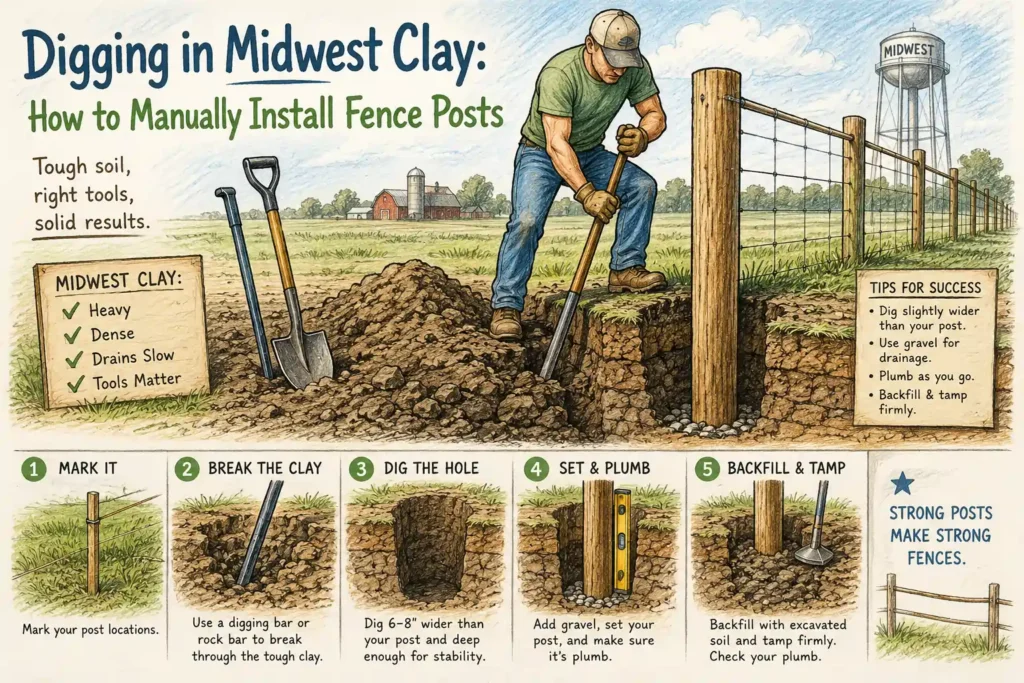
Installing fence posts in Midwest clay soil can be a demanding task, especially for those who prefer manual methods over machinery. The dense and compact nature of clay soil makes digging more labor-intensive compared to sandy or loamy soils, often requiring extra effort and patience. However, with the right approach and preparation, you can successfully install sturdy fence posts that will stand the test of time. Midwest clay is known for its ability to expand when wet and shrink when dry, which can impact the stability of your fence if not handled properly. This guide will walk you through everything you need to know, from understanding the soil to completing a durable fence post installation by hand. By following these proven techniques, you can avoid common pitfalls and achieve professional-quality results even as a DIY beginner.
Understanding Midwest Clay Soil
Midwest clay soil is characterized by its fine particles that pack tightly together, creating a dense and often stubborn surface that can be difficult to penetrate. This type of soil tends to retain water, making it heavy and sticky during wet conditions, while turning extremely hard and compact when dry. These unique properties can pose challenges when digging post holes, as tools may struggle to penetrate the ground or become clogged with sticky clay. Additionally, the soil’s natural expansion and contraction due to moisture changes can shift improperly installed fence posts over time. This means that proper preparation and installation techniques are essential to ensure long-term stability. Understanding these characteristics is essential to adapting your digging and installation techniques for better and more durable results.
Tools You’ll Need
Having the proper tools is essential when manually digging through Midwest clay soil, as the right equipment can significantly reduce effort and improve efficiency. A post hole digger is necessary for removing soil from narrow holes, while a digging bar helps break through tough, compact layers that a shovel cannot easily penetrate. A round-point shovel is useful for clearing loose soil and shaping the hole as you dig deeper. You will also need a water source to soften hard ground, especially during dry conditions when clay becomes extremely rigid. Additional tools such as a level, tape measure, gravel, and optional concrete mix will help ensure that your fence posts are properly aligned and securely set for long-term stability. Investing in durable, high-quality tools can also make the process smoother and prevent unnecessary frustration during digging.
Step-by-Step Guide to Digging Fence Posts in Clay Soil
1. Mark Your Fence Line
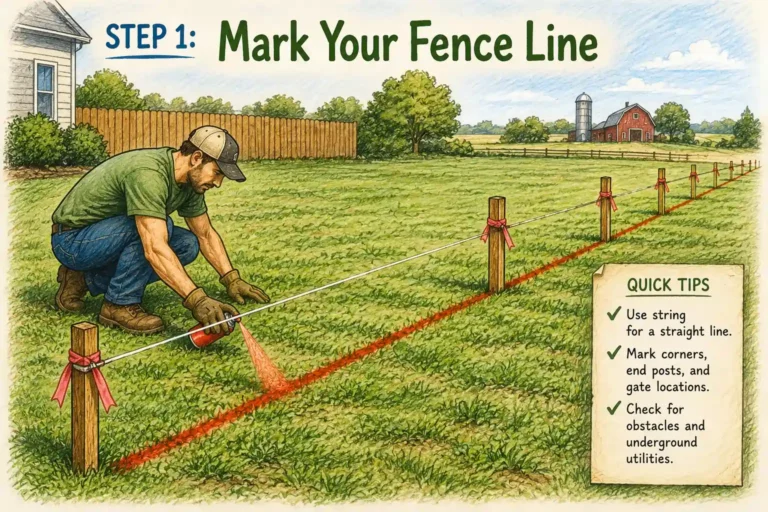
The first step in installing fence posts is to clearly mark your fence line to ensure proper alignment and spacing across your entire property. Using stakes and string, you can outline the exact path where your fence will run, helping you visualize the layout before digging begins. Proper spacing between posts, typically between six to eight feet depending on the type of fence, is important for maintaining structural integrity. Taking the time to measure and mark accurately at this stage prevents mistakes later and ensures your fence looks straight and professional once completed. It also helps you identify potential obstacles such as roots, rocks, or uneven terrain before you begin digging.
2. Soften the Ground (If Needed)
When working with dry clay soil, softening the ground beforehand can make a significant difference in how easily you can dig and manage the soil. Pouring water over the marked digging spots and allowing it to soak into the soil for about thirty to sixty minutes helps loosen the tightly packed particles. This reduces resistance when using your tools and minimizes physical strain on your body during the digging process. However, it is important to avoid overwatering, as excessively wet clay can become sticky and difficult to manage. Finding the right balance of moisture will make the digging process smoother and more efficient. Proper soil conditioning at this stage can save both time and energy as you continue the project.
3. Break the Surface
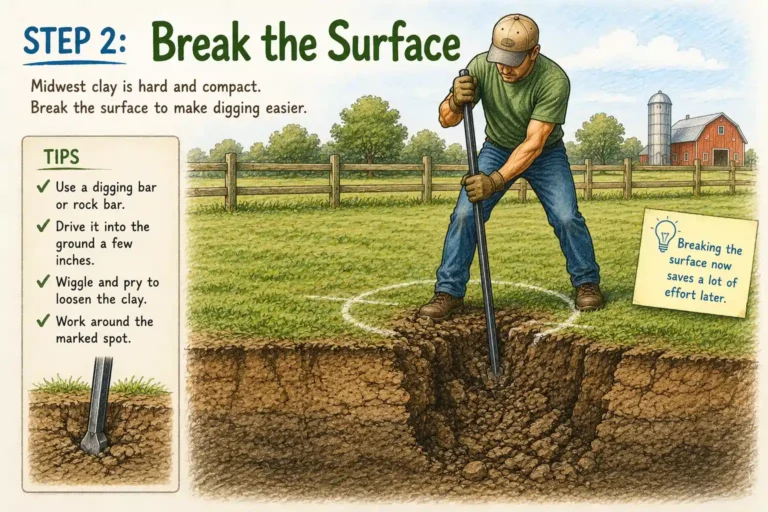
Breaking through the surface layer is often the most challenging part of digging in clay soil, especially when the ground has hardened due to dry weather conditions. Using a digging bar, you can apply downward force to crack and loosen the hardened top layer effectively. This step helps create an entry point for your post hole digger and prevents unnecessary strain on your tools. By repeatedly driving the bar into the ground and loosening the soil, you gradually make it easier to remove material and deepen the hole. This technique is especially useful in areas where the clay has become compacted over time. Consistent effort during this stage will significantly speed up the rest of the digging process. In some areas, you may encounter roots or rocky patches along with dense clay, which can make digging even more challenging. In such cases, refer to our complete guide on digging by hand in roots, clay, and rocky soil for advanced techniques to handle tough ground conditions effectively.
4. Start Digging the Hole
Once the surface has been broken, you can begin digging the hole using a post hole digger to remove loosened soil efficiently. This tool allows you to remove soil in controlled amounts, making it easier to maintain the shape and depth of the hole. As you dig, you may encounter compact sections that require additional loosening with the digging bar before continuing. It is important to work steadily and avoid rushing, as clay soil can quickly become tiring to handle and may slow your progress. By alternating between loosening and removing soil, you can gradually reach the desired depth without overexertion. Maintaining a steady rhythm will help you complete the task more comfortably and effectively. If you’re completely new to manual digging techniques, check out our detailed guide on how to dig a fence post hole by hand, where we break down beginner-friendly methods and tool usage step by step.
5. Maintain Proper Depth and Width
Ensuring the correct dimensions for your post hole is critical for the stability and longevity of your fence structure. A general rule is to dig the hole to a depth that is approximately one-third the height of the fence post, which provides a solid foundation. The width of the hole should be about three times the width of the post, allowing enough space for proper backfilling and support materials. Taking the time to maintain consistent depth and width across all holes helps ensure that your fence remains level and secure. This is particularly important in clay soil, where movement can occur due to seasonal changes. Proper sizing of each hole will contribute significantly to the overall durability of your fence.
6. Add Gravel for Drainage
Adding a layer of gravel at the bottom of the hole is an important step that helps improve drainage and prevent water accumulation around the base of the post. Clay soil naturally retains moisture, which can weaken the post over time or lead to shifting during freeze-thaw cycles. By placing several inches of gravel at the base, you create a stable and well-drained foundation that reduces the risk of long-term damage. This layer also helps distribute weight evenly and prevents the post from sitting directly in waterlogged soil. Including proper drainage is one of the most effective ways to extend the lifespan of your fence posts. Skipping this step can lead to costly repairs in the future.
7. Set the Fence Post
Placing the fence post correctly in the hole is essential for achieving a straight and sturdy fence that will last for years. Carefully position the post in the center of the hole and use a level to ensure it is perfectly vertical on all sides. Holding the post steady while checking alignment may require assistance, especially when working alone on a larger project. Taking the time to properly position the post before securing it will help avoid adjustments later. A well-aligned post ensures that your entire fence line remains even and visually appealing. Precision at this stage will save time and effort during the finishing process.
8. Backfill the Hole
Backfilling the hole is the process of securing the post in place by filling the surrounding space with either soil or concrete, depending on your preference and conditions. Using concrete is often recommended in clay soil because it provides additional strength and stability, especially in areas prone to moisture changes. If you choose to use soil, it is important to pack it firmly in layers to eliminate air pockets and create a solid hold around the post. Proper backfilling ensures that the post remains stable and upright, even under pressure from wind or shifting ground conditions. Taking extra care during this step will improve the overall strength of your fence structure. It also reduces the chances of future leaning or instability.
9. Let It Set
Allowing the post to properly set is a crucial final step in the installation process that should not be rushed. If concrete is used, it typically requires at least twenty-four to forty-eight hours to cure and achieve full strength. During this time, it is important to avoid disturbing the post to ensure it remains aligned and secure. If soil is used for backfilling, checking the post for stability and making any necessary adjustments shortly after installation can help prevent future issues. Giving the installation adequate time to settle ensures a strong and reliable fence structure. Patience during this stage will result in a more durable and long-lasting fence.
Tips for Success in Clay Soil
Working efficiently in clay soil requires patience and attention to detail, as the dense nature of the ground can quickly become exhausting. Choosing the right time to dig, such as after moderate rainfall, can make the soil easier to work with while avoiding overly muddy conditions. Keeping your tools clean throughout the process helps prevent clay buildup that can reduce effectiveness and slow you down. Taking regular breaks and using proper technique also helps reduce fatigue and maintain steady progress. By approaching the task with preparation and care, you can achieve better results with less effort. Consistency and planning play a key role in successfully completing your fence installation.
Common Mistakes to Avoid
One of the most common mistakes when installing fence posts in clay soil is failing to dig deep enough, which can lead to instability over time. Skipping the addition of gravel can also cause drainage issues that weaken the post base and reduce its lifespan. Another frequent error is neglecting to properly level the posts during installation, resulting in a crooked and unprofessional fence line. Additionally, working in extremely dry or overly wet conditions can make digging more difficult and compromise the quality of the installation. Avoiding these mistakes will help ensure a stronger and longer-lasting fence. Paying attention to small details can make a significant difference in the final outcome.
Conclusion
Installing fence posts manually in Midwest clay soil may seem like a daunting task, but with the right techniques and careful preparation, it can be accomplished successfully. Understanding how clay behaves and adapting your approach to suit its unique properties is key to building a durable fence. By following each step, from marking the fence line to allowing the posts to set properly, you can create a strong foundation that withstands environmental changes. With patience and attention to detail, your fence will not only serve its purpose but also remain stable and reliable for years to come. Taking the time to do the job correctly ensures long-term performance and reduces the need for future repairs. If you’re unsure whether to handle the project yourself or hire professionals, take a look at our 2026 hand digging cost guide to better understand pricing and make an informed decision. For more detailed information and tailored advice, visit our page on digging. For support on your next hole digging and trenching labor project, please feel free to reach out through our contact form, and our team will be happy to help.