



Table of Contents
Packing liquor and wine bottles during a move requires extra care and planning. These items are not only fragile and heavy but can also be expensive or hold sentimental value, especially if you’ve been saving a special bottle for years. Improper packing can lead to broken glass, leaking alcohol, damaged boxes, and ruined belongings inside the moving truck. Whether you are relocating locally or long-distance, knowing how to pack wine and liquor bottles correctly can save you from unnecessary stress and loss. The following tips will guide you through safe, practical, and professional ways to protect your bottles during the moving process. If you’re hiring professionals for your move, understanding what services are included—and how much they cost—can help you decide whether packing fragile items like wine and liquor is worth outsourcing. You can explore a detailed breakdown in our Price Guide for Full Service Movers: Average Costs in 2026.
Tip #1: Sort and Reduce Your Bottle Collection Before Packing
Before you begin wrapping bottles, take time to evaluate your liquor and wine collection. Moving is the perfect opportunity to declutter and avoid transporting items you no longer need. Opened bottles, partially used spirits, or wines you know you won’t drink anytime soon may not be worth the risk of moving. By reducing the number of bottles you pack, you lower the overall weight of your boxes and minimize the chances of breakage. Fewer bottles also mean more space for proper cushioning, which is essential for safe transport. Gifting unopened bottles to friends or family before moving is another great way to lighten your load while avoiding waste.
Tip #2: Choose Strong Boxes and Proper Packing Materials
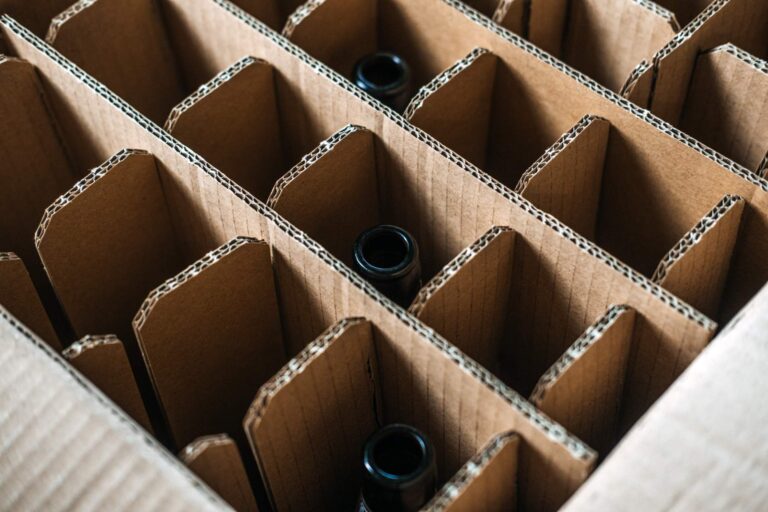
Using the right packing materials plays a major role in keeping liquor and wine bottles safe during a move. Thin or worn-out boxes are more likely to collapse under the weight of glass bottles, increasing the risk of damage. Sturdy, double-walled moving boxes or wine-specific boxes with built-in dividers provide much better protection. Each bottle should be wrapped individually using bubble wrap, packing paper, or foam sleeves to absorb shock. Extra padding at the bottom of the box helps prevent bottles from cracking if the box is set down too hard. Investing in proper materials may cost a little more upfront, but it can prevent costly losses later.
Tip #3: Wrap Bottles Carefully and Cushion All Empty Space
Proper wrapping is essential when packing liquor and wine bottles for moving. Each bottle should be wrapped tightly, paying special attention to the neck and base, which are the most vulnerable areas. Once wrapped, bottles should be placed securely inside the box with additional cushioning between them. Any empty space inside the box can allow bottles to shift during transit, increasing the risk of breakage. Filling gaps with packing paper, towels, or foam ensures the bottles stay in place, even when the moving truck hits bumps or makes sudden stops. A well-cushioned box should feel snug, with no movement when gently shaken.
Tip #4: Position Bottles Correctly Inside the Box
How bottles are positioned inside the box can make a significant difference in preventing leaks and cracks. Liquor bottles are generally safest when packed upright, as this reduces pressure on the cap or seal and minimizes the chance of spills. Wine bottles, especially those with corks, can be packed on their sides or upright depending on box design, but they should always be secure and well-supported. Avoid stacking bottles directly on top of one another without dividers, as this increases pressure and raises the risk of breakage. Keeping boxes at a manageable weight also makes them easier to carry and less likely to be dropped. Improper handling during transport can lead to costly damage, which is why liquor and wine bottles are often grouped with other fragile items highlighted in 11 Household Items that are Hard to Move without Professionals.
Tip #5: Seal and Label Boxes Clearly for Movers
Once your bottles are packed, sealing and labeling the boxes correctly is just as important as wrapping them. Strong packing tape should be used to reinforce the bottom and top of the box, preventing it from opening during the move. Clearly labeling boxes as “Fragile” and indicating the correct upright position helps movers handle them with extra care. Proper labeling also makes unloading and unpacking easier, ensuring these boxes are placed in a safe area rather than under heavy furniture. Clear communication through labeling can significantly reduce accidents during the moving process.
Conclusion
Packing liquor and wine bottles for a move doesn’t have to be complicated, but it does require patience and attention to detail. From sorting your collection and choosing strong boxes to wrapping bottles securely and labeling them properly, each step helps protect your items during transit. Taking the time to pack these fragile belongings the right way can prevent breakage, leaks, and unnecessary cleanup on moving day. With careful preparation, your favorite wine and liquor bottles can arrive safely at your new home—ready to celebrate a successful move. For more detailed information and tailored advice, visit our page on moving services. For support on your next moving project, please feel free to reach out through our contact form, and our team will be happy to help.