



Table of Contents
Introduction
Moving to a new home often sounds manageable—until you start dealing with the oversized, heavy, fragile, or technically complex items that most households own. For a detailed guide on safely lifting and maneuvering heavy furniture at home, see: Lift with Ease: A Guide to Safely Maneuver Heavy Furniture at Home While everyday belongings like clothing and small furniture can be packed and carried with minimal effort, other items require strength, specialized tools, strategic planning, or technical skill. According to industry experts, items such as pianos, hot tubs, heavy safes, and aquariums frequently cause the most damage and injuries during DIY moves because people underestimate their complexity. If you’re wondering how much professional moving services typically cost for these items, check out our detailed pricing guide: Decoding Furniture Moving Costs. These items can easily damage floors, walls, staircases, and door frames if handled incorrectly. More importantly, attempting to move them without the right equipment can cause serious injuries, especially to the back and shoulders. Professional movers are trained to manage these unique challenges using techniques developed specifically for difficult household items. Below is an in-depth look at 11 of the hardest household items to move without professional help, along with explanations of why they require expert handling.
1. Pianos
Pianos are among the most challenging household items to move because they combine extreme weight, unusual shape, delicate internal parts, and high monetary and sentimental value. Even small upright pianos weigh hundreds of pounds, while baby grands and concert-level grand pianos can easily exceed 1,200 pounds. The bulk of the weight is concentrated in the cast-iron harp inside the piano, which makes the instrument extremely difficult to balance or maneuver safely. To make matters worse, pianos must be kept upright during a move because tilting them too far can damage the strings, dampers, or soundboard. Their glossy wood exterior scratches easily, and the legs and pedals can break with the slightest wrong movement. Moving a piano through tight hallways, around corners, or up and down staircases requires multiple trained movers and specialized equipment like piano dollies, stair-climbing machines, harnesses, protective blankets, and multi-point straps. If you’re planning to move heavy furniture or large items up or down stairs safely, check out our step-by-step guide: How to Move Heavy Items Up or Down Stairs Only professionals know how to secure the instrument properly inside a truck to prevent warping or shifting. Without expert handling, a DIY move could result in thousands of dollars in damage or even personal injury.
2. Hot Tubs and Spas
Hot tubs look simple from the outside, but their internal components and overall design make them extremely complicated to relocate. Even after draining the water, a typical hot tub can still weigh between 600 and 1,000 pounds. The shell is large, awkwardly shaped, and difficult to grip, and the internal plumbing, pumps, jets, and electrical wiring must be handled carefully to avoid damage. Before a hot tub can even be moved, it has to be fully disconnected from its power source, water supply, and sometimes even a dedicated circuit breaker. Professionals know how to safely drain and disconnect these systems to avoid electrical hazards or flooding. The tub usually needs to be tilted on its side or lifted with a furniture jack or mechanical lift to get it onto a specialized spa dolly. Navigating narrow gate openings, deck steps, and uneven outdoor ground requires experience and precision. At the new home, the hot tub must be leveled and reconnected correctly to ensure proper function. A DIY hot tub move often ends with cracked shells, broken plumbing, or serious personal injury—one reason why hot tub transport is a specialty service in the moving industry.
3. Pool Tables
Pool tables are deceptively heavy and structurally complex, making them nearly impossible to move without professional help. Most quality pool tables contain a multi-piece slate top—each piece weighing a minimum of 100 pounds—and these must be removed separately before the table can be moved. The slate pieces are fragile and prone to cracking if dropped, bent, or bumped during transport. The table’s frame, legs, felt, bumpers, and rails also require careful disassembly, labeling, and protective packaging. Professional pool table technicians know how to dismantle the table properly, protect every component, and move each piece safely. Once the table reaches its new location, the reassembly is equally complex. The slate must be leveled with extreme precision using shims and sometimes beeswax or putty to fill seams. If the leveling isn’t perfect, the table will not play correctly, and the felt surface may stretch or tear. Because of these technical requirements, homeowners rarely attempt to move pool tables themselves unless they are willing to risk expensive repairs or replacement.
4. Large Home Appliances
Refrigerators, washing machines, dryers, stoves, and dishwashers are some of the most common items that cause damage during DIY moves because they require both strength and technical disconnection procedures. Most large appliances weigh between 150 and 400 pounds, and their smooth surfaces and bulky shapes make them difficult to grip or maneuver. For step-by-step strategies on moving appliances like refrigerators, washers, and dryers safely, see: Strategies for Moving Your Home Appliances Refrigerators must be emptied, defrosted, dried, and moved upright at all times to prevent damage to their cooling mechanisms. Washing machines and dishwashers need to be disconnected from water lines, drained completely, and secured to prevent leaks during transport. Gas appliances pose even greater risks because improper disconnection can cause gas leaks or accidental ignition. Professionals use appliance dollies, padded straps, sliders, and wall guards to move appliances without damaging flooring or walls. They also know how to reconnect these appliances safely at the destination. Improper handling can lead to broken hoses, cracked components, malfunctioning compressors, and even electrical hazards.
5. Artwork, Antiques, and High-Value Items
Fine art, antique furniture, collectible figurines, and irreplaceable family heirlooms require specialized packing materials, climate considerations, and professional handling. Paintings and framed artwork must be wrapped in acid-free materials and sometimes placed in custom wooden crates to prevent compression, scratching, or puncturing. Sculptures often have unique shapes or protruding parts that can easily break if not packed in shock-absorbent foam. Antique furniture may contain delicate joints, old wood, and fragile finishes that cannot withstand abrupt movements or impacts. Many of these items are sensitive to temperature and humidity fluctuations, meaning they can warp, crack, or fade if transported improperly. Professional movers trained in fine-art relocation know how to stabilize fragile pieces, reinforce weak structural areas, and protect each item from vibration or shock during transport. They also provide additional insurance coverage, which is crucial when dealing with irreplaceable or high-value possessions.
6. Exercise Equipment
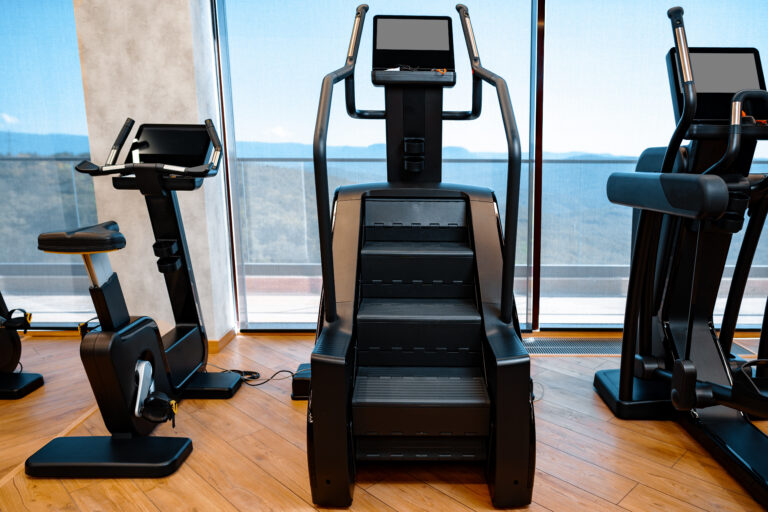
Home gym machines present unique challenges because they combine heavy weight, mechanical complexity, and odd shapes. Treadmills can weigh up to 300 pounds and contain sensitive electronic screens, wiring, and motors that can malfunction if the machine is tilted incorrectly. Ellipticals and rowers have wide bases and rotational parts that make them difficult to maneuver through narrow door frames. Large weight machines may be built from several connected components, pulleys, and cable systems that require precise disassembly and labeling to ensure proper reassembly later. Free weights and dumbbells, although smaller, can cause injuries or floor damage if dropped during a move. Professionals know how to take apart exercise machines without damaging internal parts and how to pack smaller weights so they don’t shift dangerously during transport. Attempting to move exercise equipment alone often results in broken machines, injuries, or missing components.
7. Aquariums and Fish Tanks
Aquariums are some of the most delicate and complex items to move because they involve both fragile glass and live fish. Even a small aquarium can weigh hundreds of pounds when filled with water and substrate. Large tanks, especially those made from thick glass or acrylic, are extremely heavy and require multiple movers to lift safely. Before moving a tank, all fish and plants must be placed in appropriate temporary containers with stable water conditions. The filtration system, heaters, lights, and decorative elements must be packed carefully. The tank must then be drained completely and dried, because even a small amount of water can shift during transport and crack the glass. Tanks must be kept level and upright, and they require thick padding to protect the corners and seams. Professional aquarium movers understand how to transport both the tank and the living ecosystem inside it safely. For inexperienced movers, aquarium relocation is one of the most stressful and risky tasks due to the high risk of breakage and danger to the fish.
8. Vehicles (Non-Operational or Long-Distance Transport)
While driving a car to your new home may seem simple, many situations require professional vehicle transport. Non-operational vehicles, classic cars, project cars, or vehicles being relocated long distances need to be carried on specialized transport carriers. These carriers are designed to secure vehicles without causing damage to the tires, suspension, or undercarriage. Transport trucks also protect vehicles from weather conditions and road debris during long trips. Professional auto transporters conduct a detailed inspection before and after loading the vehicle, documenting any prior damage and ensuring proper insurance coverage. Driving a car long distances adds unnecessary mileage, increases fuel costs, and can cause unexpected breakdowns. For high-value or vintage cars, professional transport is especially important to avoid scratches, dings, or mechanical stress. Without proper equipment, attempting to load a vehicle onto a trailer can lead to serious accidents or damage.
9. Oversized or Built-In Furniture
Large sectional sofas, king-size bed frames, wall units, entertainment centers, and custom-built cabinetry are notoriously difficult to move because they often don’t fit through doors or hallways in one piece. Many built-in furniture pieces are anchored directly to the wall or floor, meaning they require careful removal to avoid damage to both the furniture and the home. Oversized furniture is often heavy and difficult to balance, and navigating staircases or tight corners without professional help can lead to dents, scratches, or cracked drywall. Professionals know how to disassemble these items efficiently, wrap and protect each component, and reassemble everything correctly at the new location. They also understand how to maneuver large furniture safely through narrow spaces using lifting straps, sliders, and tilting techniques that the average person may not know.
10. Heavy Safes and Vaults
Home safes and gun safes are intentionally designed to be difficult to move as a security measure. Their dense steel bodies make them extraordinarily heavy—some smaller models weigh over 200 pounds, while larger safes can exceed 1,000 pounds. Safes are often bolted to the floor or wall for added security, and disconnecting them requires specialized tools. Attempting to lift a safe without training is extremely dangerous because the weight is concentrated in a small area, making it easy to lose balance or crush fingers and toes. Professionals use hydraulic lifts, reinforced dollies, and stair-climbing machines to move safes safely. They also know how to load and secure the safe inside a moving truck so that it doesn’t shift during transport. Without expert help, moving a safe can easily cause structural damage to flooring, staircases, and entryways—or result in severe injuries.
11. Large Outdoor Structures and Equipment
Outdoor items such as shed kits, pergolas, swing sets, oversized patio furniture, trampolines, fire pits, heavy planters, and outdoor sculptures present a unique set of challenges. Many of these items have been exposed to the elements for years, making their bolts, joints, or wooden sections more fragile than they appear. Taking apart a playset or outdoor structure often requires power tools and careful labeling to avoid losing essential pieces. Large outdoor furniture—especially pieces made from cast iron or teak wood—can weigh hundreds of pounds and be extremely difficult to carry. Garden statues, stone fountains, and large planters may crack or crumble if dropped or handled improperly. Professional movers know how to disassemble, wrap, and load outdoor structures safely while preventing damage to both the items and the surrounding landscape. Without this expertise, homeowners often struggle to remove anchored posts, transport large pieces, or reassemble everything securely at the new home.
Conclusion
Not all household items are created equal when it comes to moving. Many of the belongings we cherish most—pianos, heirlooms, aquariums, large furniture, and outdoor structures—require specialized expertise, tools, and handling procedures to move safely. Attempting to move these items without professional help can lead to expensive damage, personal injury, or permanent loss of value. Professional movers understand how to navigate tight spaces, protect delicate materials, and use equipment that ensures safe lifting and transport. By hiring experts for these challenging items, you protect your home, your belongings, and your wellbeing—while enjoying a smoother, more efficient moving experience. Investing in professional help ultimately saves time, prevents problems, and ensures your most valuable possessions arrive at your new home in perfect condition. By combining proper lifting techniques, planning, and furniture sliders, moving heavy items at home becomes safer and easier. For a complete walkthrough on using sliders effectively on carpet, see: How to Use Furniture Sliders on Carpet: 8 Easy Steps. For more detailed information and tailored advice, visit our page on rearranging furniture and heavy lifting. For support on your next moving project, please feel free to reach out through our contact form, and our team will be happy to help.